
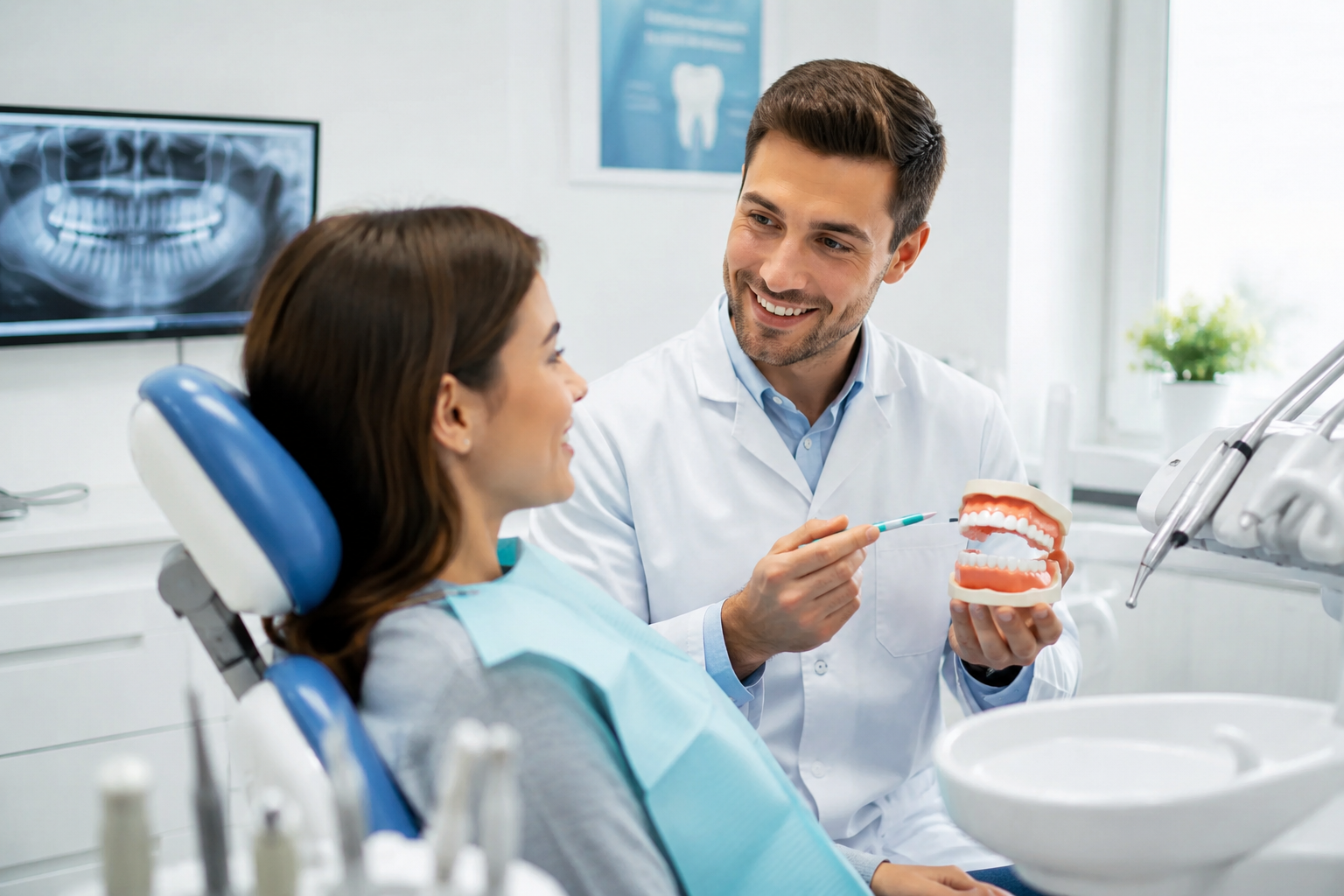
You’ll find practical options for affordable dental care in San Antonio that won’t force you to choose between your budget and a healthy smile. Local clinics, sliding-scale providers, and dental savings plans can cut costs significantly while still offering preventive care, cleanings, and common restorative services.
They’ll guide you through typical costs in San Antonio, insurance and payment solutions, and how to find budget-friendly clinics in your neighborhood. Expect clear explanations of service types, what happens at an affordable dental visit, and simple steps to keep oral health costs low so you can move toward a healthier smile with confidence.
Understanding Dental Costs in San Antonio
Dental pricing in San Antonio depends on procedure type, clinic location, and whether the patient uses insurance or a sliding-scale program. Knowing typical fees, common add‑ons, and the savings from preventive visits helps patients plan visits and estimate out‑of‑pocket costs.
Key Factors That Affect Pricing
Providers set prices based on several concrete items: the dentist’s credentials, the clinic’s neighborhood, and the technology used. An exam and cleaning at a general practice in a South Side neighborhood typically runs lower than the same service at a specialist clinic near downtown with digital X‑rays and intraoral cameras.
Insurance status directly alters the bill. PPO plans often cover 80–100% of preventive care but pay less for restorations, while Medicaid or CHIP may limit provider choice and procedure coverage. Self‑pay patients should expect a published cash rate that may be discounted for payment at the time of service.
Procedure complexity also matters. A simple extraction costs substantially less than surgical extractions or implants, which add lab fees and specialist time. Ask clinics for itemized estimates — provider fee, imaging, lab work, and anesthesia — to compare practices accurately.
Hidden Expenses to Watch Out For
Estimates sometimes omit imaging upgrades, lab fabrication, or anesthesia, which can add $50–$1,500 depending on the service. For example, a crown quote might list only the crown fee but not include the temporary crown, impression fee, or lab surcharge.
Follow‑up visits and adjustments are another common add‑on. Orthodontic consultations, post‑op checkups, and repair visits for bridges or dentures can each carry separate visit fees. Confirm whether postoperative care is included in the initial price.
Materials and warranty terms vary by practice. Higher‑grade porcelain or zirconia costs more than basic materials, but some clinics include a limited warranty on restorations while others charge for replacements. Request written estimates that break out: provider fee, imaging, lab, anesthesia, and follow‑ups.
The Value of Preventive Care
Routine cleanings and exams cost less and prevent many costly treatments later. A twice‑yearly cleaning plus fluoride and X‑rays reduces the likelihood of restorations such as root canals or crowns, which can cost several hundred to several thousand dollars.
Preventive care also makes budgeting easier. Many practices offer bundled preventive packages or membership plans that cap annual costs and include basic restorative discounts. For uninsured patients, these plans often lower overall spending compared with paying full price for emergency work.
Patients who prioritize at‑home care and regular dental visits tend to face fewer unexpected expenses and shorter, less complex procedures when treatment is needed. Encourage asking the office about preventive bundles, payment plans, and whether a written cost estimate includes potential complications.
Types of Affordable Dental Services Available
Affordable dental care in San Antonio covers preventive visits, basic restorations, and child-focused services designed to keep costs low while maintaining strong oral health. Patients can expect routine cleanings, tooth-colored fillings, and pediatric exams that emphasize prevention and patient comfort.
Routine Exams and Cleanings
Routine exams and cleanings remove plaque and tartar buildup and catch problems early to avoid costly treatments later. Typical low-cost options include twice-yearly prophylaxis, bitewing X-rays, and oral cancer screening; community clinics often bundle these into sliding-scale visits or low flat fees.
Preventive care focuses on practical steps: fluoride varnish for at-risk adults, personalized home-care tips, and scheduling follow-ups. Many practices in San Antonio offer membership plans or discounted exam-and-cleaning packages that reduce out-of-pocket expense for uninsured patients.
Insurance-covered visits usually require only small copays, while federally qualified health centers and dental schools provide reduced rates. Patients should ask about what X-rays and screenings are included to avoid surprise charges.
Fillings and Restorative Treatments
Affordable restorative care aims to repair decay and restore function with durable, cost-effective materials. Composite (tooth-colored) fillings are widely available at competitive prices; some clinics use amalgam for posterior teeth when cost is the primary concern and the patient consents.
When decay is more extensive, affordable options include prefabricated stainless-steel crowns for molars, especially in low-cost pediatric or community programs. For adults needing larger restorations, discounted treatment plans and phased-care approaches let patients spread procedures over time.
Ask clinics about warranties, follow-up checks, and whether they include local anesthesia and postoperative visits in the quoted price. Many San Antonio providers offer financing, sliding-fee scales, or partnerships with nonprofit programs to reduce immediate costs.
Children’s Dental Care
Children’s dental services prioritize prevention, early intervention, and behavior-friendly approaches to reduce future expense and anxiety. Common affordable services include exam-and-fluoride packages, sealants applied to molars to prevent decay, and education on brushing and diet tailored for parents and kids.
Pediatric-friendly clinics and school-based programs in San Antonio often provide low-cost screenings, vaccinations for dental anxiety (nitrous oxide) when needed, and stainless-steel crowns for primary teeth at reduced rates. Early visits allow dentists to monitor growth and recommend interceptive treatments before problems escalate.
Parents should ask about bundled well-child dental visits, covered preventive services under state programs, and whether a clinic offers evening or weekend hours to fit family schedules. These practical details help families access consistent care without unexpected bills.
Finding Budget-Friendly Dentists in Your Community
This section explains practical steps for locating affordable dental care, comparing options, and confirming quality. It focuses on costs, patient experience, and questions that reveal value and fit for the reader’s needs.
How to Compare Local Clinics
Start with a short list of 6–8 nearby clinics using Google Maps, Healthgrades, and the Texas Dental Association directory. Note address, hours, whether they accept Medicaid, and if they offer sliding-scale fees or in-office financing.
Create a quick comparison table to organize facts:
| Clinic | Location | Insurance/Programs | Typical exam + cleaning cost | New-patient specials |
|---|---|---|---|---|
| Example Dental | North Side | Most Aetna plans, Medicaid? | $75–$120 | $39 exam + x‑ray |
Look for clear pricing on websites or ask for a written estimate. Clinics that list fees or package pricing usually aim for transparency, which helps avoid surprise bills.
Check whether clinics provide emergency slots and same-day extractions or repairs. Availability for urgent care can reduce overall cost by avoiding ER visits for dental pain.
Reading Patient Reviews
Focus on recent reviews (last 12–18 months) and read at least 20 when possible to spot patterns. One-off complaints happen; recurring notes about billing surprises, long waits, or rushed care matter more.
Pay attention to keywords: “bedside manner,” “payment plan,” “estimate,” “follow-up,” and “hygienist quality.” These terms reveal both clinical experience and financial transparency.
Verify reviews across platforms—Google, Yelp, and your insurer’s portal—to reduce platform bias. Also look for patient photos of the office and staff; visual cues can indicate cleanliness and modern equipment.
If reviews mention specific fees or insurance hassles, call the clinic to confirm those details. A short phone call often clarifies whether the written policy matches patient experience.
Questions to Ask Before Choosing a Provider
Ask about total out-of-pocket cost for common services: exam, cleaning, two bitewing X-rays, and a single-surface composite filling. Request a written estimate and ask if prices vary by practitioner level.
Confirm which insurers the clinic accepts and whether they process Medicaid or CHIP if applicable. If uninsured, ask about sliding-scale fees, membership plans, or bundled promotional pricing.
Inquire about payment options: credit card, third-party financing (CareCredit), in-house plans, or discounts for cash payment. Ask whether emergency visits incur higher fees and how they handle treatment authorizations.
Ask how the clinic handles follow-up care and complications. Find out who performs procedures (DDS vs. hygienist vs. dental assistant) and the experience level of the dentist for more complex work. Finally, request a copy of their standard patient financial policy before booking.
Insurance and Payment Solutions
This section explains how patients can use insurance, flexible payment plans, and local discount programs to lower out-of-pocket costs for dental care in San Antonio. It focuses on practical steps to confirm benefits, choose affordable options, and access community resources.
Understanding Dental Insurance Coverage
Patients should verify specific plan details before scheduling care. Key items to check: annual maximums, deductible amounts, preventive visit coverage, and waiting periods for major procedures. Many PPO plans cover two cleanings per year at little or no cost, while HMO/managed care plans often require treatment within a network to get full benefits.
Confirm whether the plan classifies services as preventive, basic, or major; this determines patient responsibility percentages. Ask about pre-authorization for crowns or root canals and whether X-rays or emergency visits carry separate copays. If a provider accepts assignment of benefits, claims can be submitted directly, reducing upfront payment for insured patients.
Flexible Payment Plans
Dental offices in San Antonio routinely offer in-house financing or third-party plans to spread costs. Common options include 3–12 month interest-free plans for smaller treatments and 12–60 month low-interest plans for extensive restorative work like implants or full-mouth rehabilitation. Patients should request a written schedule showing monthly payments and total interest.
Care coordinators can often tailor payment arrangements based on treatment urgency and insurance payouts. For uninsured patients, providers sometimes bundle services or prioritize phased treatment—addressing pain and infection first, then scheduling elective restorations. Always get treatment estimates and compare at least two payment plans before committing.
Discount Programs and Community Resources
San Antonio offers several non-insurance ways to reduce dental costs. Options include in-house discount plans at private clinics, dental schools (such as UT Health San Antonio School of Dentistry) that provide reduced-rate care by supervised students, and community health centers that use sliding-scale fees. Each program has eligibility rules and appointment lead times.
Look for periodic free or low-cost clinics hosted by local nonprofits and mobile dental units at community events. Some employers or professional associations also negotiate group discount plans for members. Patients should call ahead to confirm service lists, required documentation (ID, proof of income), and whether restorative procedures are available at reduced rates.
Maintaining Good Oral Health on a Budget
Small daily habits and smart product choices prevent costly dental visits. Practical steps—consistent brushing, targeted flossing, and using recommended low-cost tools—protect teeth and gums without overspending.
Daily Home Care Tips
He should brush twice daily with a soft-bristled toothbrush for two minutes each time, covering all tooth surfaces and the gumline. Timing matters: brushing after breakfast and before bed reduces plaque buildup and morning breath.
They should floss once daily, using about 18 inches of floss and curving it around each tooth in a C-shape to clean beneath the gumline. If traditional floss is difficult, interdental brushes or a water flosser can reach tight spaces more effectively.
Rinsing with an alcohol-free fluoride mouthwash once a day adds extra cavity protection for people with high decay risk. Avoid frequent snacking on sugary or starchy foods; when snacks are needed, choose cheese, nuts, or raw vegetables to neutralize acids.
Regularly inspect the mouth for swelling, bleeding, or persistent pain. Early detection of issues like cavities or gum disease reduces treatment complexity and cost.
Affordable Products for Oral Hygiene
He can buy effective, budget-friendly toothpaste containing fluoride; generic brands often match name-brand formulas. Look for the ADA Seal or fluoride concentration (1000–1450 ppm) on the label for proven protection.
Their toothbrush options include manual soft-bristle brushes (replace every 3 months) and entry-level electric brushes with replaceable heads. Electric models with timers help ensure the recommended two minutes and can improve plaque removal for people with limited dexterity.
For interdental cleaning, multi-pack interdental brushes and dental floss picks provide low per-use cost. Water flossers have higher upfront cost but can be affordable long-term if oral health needs frequent interdental cleaning.
Buying oral care products in bulk, using store brands, and watching for sales at San Antonio pharmacies and grocery chains cuts expense. Community health centers and dental schools often offer low-cost supplies or discounted preventive services; check local resources for additional savings.
What to Expect at Your First Affordable Dental Visit
Patients can expect a warm greeting and a short intake process to start the visit. Staff usually confirm medical history, insurance or discount plan details, and any immediate concerns.
The dentist or hygienist performs a gentle exam of teeth, gums, and soft tissues. X-rays may be taken if needed; staff explains why they are recommended and how they will guide care.
A professional cleaning often follows the exam to remove plaque and tartar. The clinician will discuss home-care tips—brushing, flossing, and simple preventive steps tailored to the patient’s needs.
Treatment options and costs get reviewed clearly and without pressure. Clinics offering affordable care typically present payment plans, sliding-scale fees, or enrollment in low-cost programs.
Patients receive a prioritized treatment plan listing urgent care, short-term fixes, and preventive visits. The plan includes estimated costs and timelines so patients can make informed choices.
Expect staff to answer common concerns about pain, safety, and scheduling. Modern offices emphasize comfort measures—local anesthetic, topical numbing, and calm chairside communication.
Before leaving, patients get written instructions and contact information for questions or follow-up. They are encouraged to schedule the next visit and ask about financial assistance or community resources.
Taking the Next Step Toward a Healthier Smile
They can start by scheduling a checkup with a local San Antonio dental clinic that offers affordable care and flexible payment options. A brief call or online form usually clarifies costs, insurance acceptance, and available discounts.
Patients should prepare a short list of concerns and current medications before the visit. This helps the dentist give targeted advice and avoid surprises during treatment.
Many practices provide same-day exams and basic treatments, reducing time off work and travel. Look for clinics that offer sliding-scale fees, financing plans, or membership programs to lower out-of-pocket expenses.
Preventive habits matter: regular cleanings, fluoride treatments, and simple at-home care can prevent costly procedures later. The dental team can create a realistic, budget-friendly plan that balances immediate needs and long-term health.
If anxiety is a concern, ask about comfort measures like nitrous oxide, gentle techniques, or a calm office environment. Clear communication about fears often leads to a more positive experience.
They should bring insurance cards and any recent dental records to the appointment to speed up care coordination. If uninsured, inquire about community clinics and nonprofit programs in San Antonio that provide low-cost services.
Make an appointment or call to discuss options tailored to personal needs and finances. The dental team stands ready to answer questions and help patients take the next step toward a healthier, more confident smile.
Frequently Asked Questions
This section gives specific, practical answers about low-cost dental care options, emergency routes, typical extraction pricing, treatment without insurance, student clinics, and cost-reduction strategies in San Antonio.
Where can I find a low-cost or free dental clinic in San Antonio?
The San Antonio Metropolitan Health District runs periodic community dental events and can provide referrals for sliding-scale services.
The San Antonio Food Bank lists partner clinics and mobile dental units that offer reduced-fee or charity care days.
Catholic Charities of San Antonio and Project Smile often coordinate free or low-cost dental clinics for qualifying residents.
Local Federally Qualified Health Centers (FQHCs) such as CentroMed and Comunilife provide dental services billed on a sliding fee scale based on income.
What are my options for emergency dental care if I can’t afford it right now?
Visit an FQHC urgent dental slot or a hospital emergency department for severe pain, uncontrolled bleeding, or facial swelling; hospitals treat emergencies even if patients lack ability to pay.
Call dental clinics early in the day; many reserve same-day slots for dental emergencies and some offer emergency payment plans or reduced fees.
Dental schools and student clinics also accept urgent cases at lower cost, though treatment may take longer because students work under supervision.
Some private offices provide limited emergency care (pain control, temporary fillings, extractions) for reduced fees and will schedule follow-up restorative care.
How much does a tooth extraction typically cost, and are payment plans usually available?
Simple tooth extraction in San Antonio commonly ranges from $100 to $300 at community clinics; private practices typically charge $150 to $600.
Surgical extractions (impacted teeth) often range from $300 to $1,200 depending on complexity and anesthesia.
Many dental offices offer in-house payment plans, third-party financing (CareCredit, Sunbit), or discounts for paying cash up front.
Patients should ask for a written estimate and inquire about phased treatment to spread costs over multiple visits.
Can I get dental treatment in San Antonio without insurance, and what should I ask about upfront?
Yes; most clinics and private dentists treat uninsured patients. Ask for a complete written estimate, which should itemize diagnostics, procedures, materials, and any lab fees.
Confirm whether the estimate includes follow-up visits, X-rays, and local anesthesia, and ask about cancellation or refund policies.
Request information on available discounts (senior, veteran, cash) and financing options before scheduling.
If concerned about cost, ask the office to prioritize treatment—identify urgent needs first and plan elective work later.
Are dental schools or student clinics in San Antonio a safe, budget-friendly option for care?
Yes; dental schools like the University of Texas Health San Antonio dental programs provide supervised student care that meets professional standards.
Students perform the work under licensed faculty supervision and use current equipment, which keeps care safe while lowering fees.
Wait times and multiple appointments are common because student clinics emphasize teaching and comprehensive treatment planning.
Ask about supervision level, estimated time per visit, and any additional fees that may not be included in the basic student clinic price.
What are some practical ways to lower the cost of dental work, like discounts, financing, or in-house membership plans?
Ask clinics about in-house membership or loyalty plans that replace insurance for routine care with discounted cleanings, X-rays, and reduced restorative fees.
Compare third-party financing options (CareCredit, Sunbit) for no-interest promotional periods and confirm total repayment cost and monthly payments.
Look for community dental clinics offering sliding-scale fees tied to household income, and check nonprofit charity events for occasional free care days.
Negotiate bundled pricing for multi-tooth or multi-visit treatments and request phased treatment plans to prioritize urgent care and manage cash flow.
If uncertain which option fits best, encourage the patient to call local clinics with specific questions about costs and next steps.


 Onderful Finance