
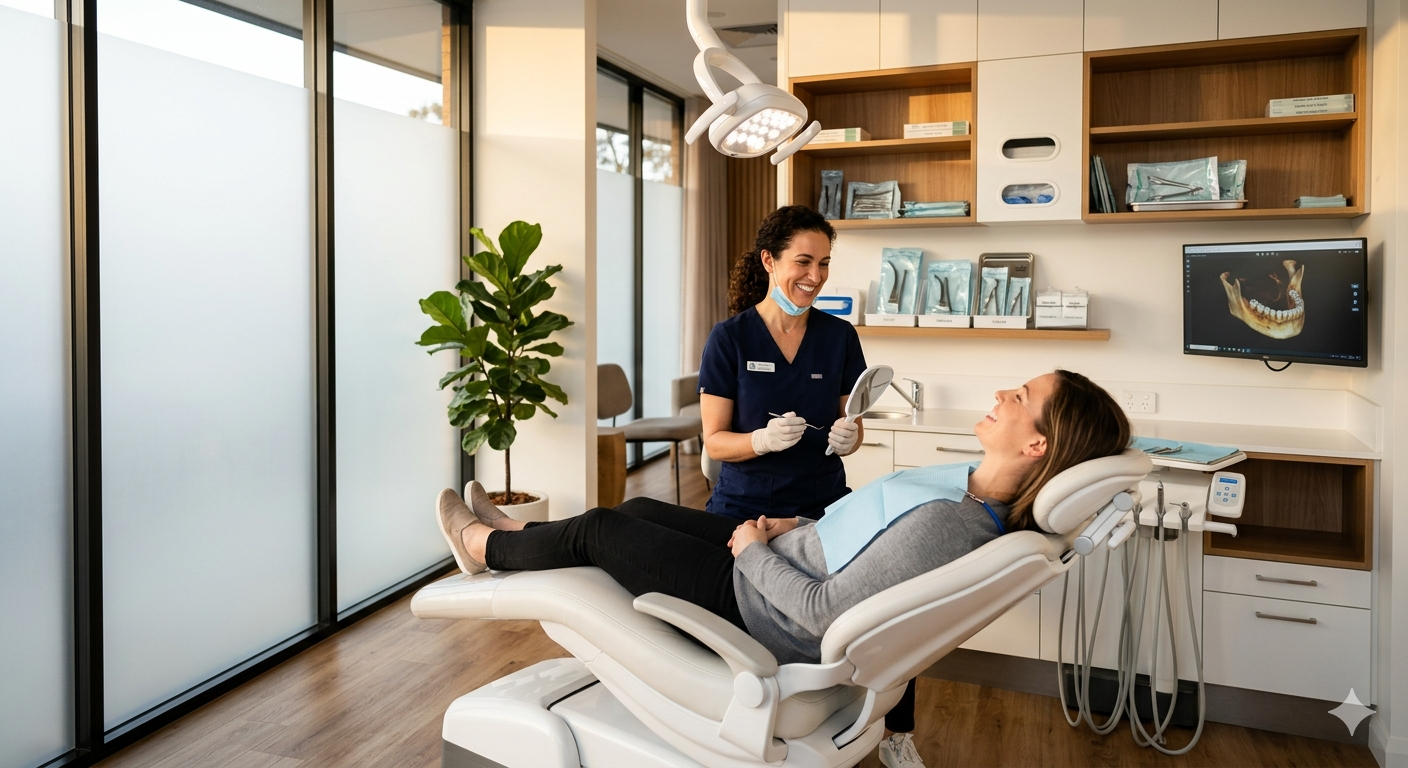
If you face a sudden toothache, knocked-out tooth, or severe oral bleeding in San Antonio, act quickly to protect your smile and health. Find an emergency dentist who can see you the same day, control pain or bleeding, and stabilize the problem to prevent long-term damage.
They’ll explain what counts as a dental emergency, walk you through immediate steps to take, and offer treatments from temporary repairs to urgent extractions or root canals. Expect clear info about costs, pediatric care, and modern technology that speeds diagnosis and recovery, so you can make confident choices and get back to feeling like yourself.
Recognizing Dental Emergencies
Recognizing a dental emergency relies on clear signs: severe pain, bleeding, swelling, loose or knocked-out teeth, and any sudden change that affects breathing, swallowing, or speech. Quick recognition and timely action reduce complications and improve chances of saving a tooth.
Common Types of Dental Emergencies
- Knocked-out tooth (avulsion): Rinse the tooth gently, avoid scrubbing the root, and try to reinsert it if possible. If reinsertion is not possible, keep the tooth moist in milk or saline and seek immediate care; survival drops after one hour.
- Cracked or fractured tooth: Small chips may only need smoothing or bonding. Large fractures that expose nerve tissue often cause sharp pain and require same-day evaluation to prevent infection.
- Severe toothache: Persistent, throbbing pain often indicates infection or abscess. Antibiotics alone rarely solve the problem—drainage or root canal therapy is commonly needed.
- Lost filling or crown: Pain from exposed dentin or sharp edges can usually wait a day or two but still deserves prompt attention to prevent further damage.
- Soft-tissue injuries: Lacerations to lips, cheeks, or tongue that won’t stop bleeding need quick medical or dental care to control hemorrhage and reduce infection risk.
Warning Signs Not to Ignore
- Uncontrolled bleeding that soaks gauze or doesn’t stop within 15–20 minutes needs immediate attention.
- Severe swelling of the face, neck, or under the jaw can indicate a spreading infection that threatens the airway; treat it as urgent.
- Fever with dental pain suggests systemic infection; this requires prompt evaluation and often antibiotics plus definitive dental treatment.
- Difficulty breathing or swallowing is a red flag for airway compromise and mandates emergency medical care, not just a dental visit.
- Numbness or altered sensation in the face may signal nerve involvement and should be assessed quickly to limit permanent damage.
When to Seek Immediate Care
Seek immediate dental or emergency room care if a tooth is completely knocked out, there is uncontrollable bleeding, or swelling affects breathing or swallowing. Time-sensitive cases—like avulsed teeth—have the best outcomes when treated within 30–60 minutes.
For severe pain with fever or spreading redness, call a dental office or urgent dental clinic right away to arrange same-day treatment. For bleeding that won’t stop or airway concerns, go to the nearest emergency department.
If in doubt, contact a dental provider; prompt assessment prevents complications and often results in simpler, more comfortable treatment.
What To Do in a Dental Emergency
Act quickly, stay calm, and focus on controlling bleeding, relieving pain, and preserving any damaged tooth. Immediate steps and simple home care can make a big difference for outcomes and comfort.
Steps to Take Right Away
Stop heavy bleeding by having the patient bite gently on clean gauze or a folded cloth for 10–15 minutes. If bleeding soaks through, replace the gauze and continue pressure; call an emergency dentist or 911 if bleeding is uncontrolled after 20 minutes.
Check breathing and consciousness; seek emergency medical care for head injuries, fainting, or severe facial trauma. Rinse the mouth with warm water to remove debris, but avoid vigorous rinsing that can worsen bleeding.
If a tooth is broken, collect larger fragments, rinse them gently with water, and bring them to the dentist in a sealed container. For severe pain, use over-the-counter ibuprofen unless contraindicated; do not place aspirin directly on the gum or tooth.
Call a local emergency dental office in San Antonio immediately and describe the injury, time of incident, medical history, and any medications. Ask if they accept walk-ins or have after-hours coverage and follow their instructions for travel and care.
Managing Pain and Swelling at Home
Apply a cold pack to the outside cheek for 10–20 minutes on and 10 minutes off to reduce swelling and numb pain. Keep the head elevated while resting to limit blood flow to the area.
Use over-the-counter pain relievers such as ibuprofen (200–400 mg every 4–6 hours as needed) or acetaminophen (500–1000 mg every 4–6 hours) following dosage guidelines and medical history. Avoid aspirin on the gum or tooth surface because it can cause tissue irritation.
Rinse gently with warm salt water (1/2 teaspoon salt in 8 ounces of water) every few hours to clean the area and soothe tissue. Avoid hot, hard, or sticky foods; choose soft, room-temperature foods until seen by a dentist.
If swelling increases rapidly, fever develops, or breathing/swallowing becomes difficult, seek emergency medical care immediately, as these signs suggest spreading infection that requires urgent treatment.
Handling a Knocked-Out Tooth
Locate the tooth, handling only the crown (top), not the root, to avoid damaging cells needed for reattachment. If dirty, rinse gently under cool running water for no more than 10 seconds; do not scrub, use soap, or dry the tooth.
If possible, attempt reimplantation by gently pushing the tooth into the socket and holding it in place with gauze. If the patient cannot reinsert the tooth, transport the tooth in a cup of milk, saline, or the patient’s saliva; avoid tap water if possible.
Arrive at an emergency dental office within 30–60 minutes for the best chance of successful reattachment. Bring the tooth and any fragments, the time of injury, and a list of medications. The emergency dentist may splint the tooth, provide antibiotics, and recommend a follow-up root canal or restorative care.
Emergency Dental Treatments Available
This section outlines common emergency services, how they relieve pain, and what to expect during treatment. It focuses on fast pain control, tooth restoration, and temporary-to-permanent repairs to preserve oral health.
Urgent Toothache Relief
When severe tooth pain strikes, clinicians first identify the cause — decay, infection, cracked tooth, or exposed dentin. They perform a focused exam, often including a dental X-ray, to pinpoint abscesses or hidden fractures.
Immediate steps typically include local anesthesia to stop pain and antibiotics if there’s spreading infection or systemic signs like fever. For nerve-related pain from pulpitis or abscess, root canal therapy is often recommended the same day or scheduled urgently to remove infected tissue and save the tooth.
Dentists may place a temporary filling or crown to protect and stabilize the tooth until definitive restoration. They also advise OTC pain control (acetaminophen or ibuprofen) and cold compresses, and they give clear aftercare instructions to prevent worsening pain or swelling.
Treatment for Broken or Chipped Teeth
Treatment depends on the location and extent of the damage. Small chips often receive smoothing and composite bonding to restore shape and prevent sensitivity, while larger fractures may require crowns or veneers to rebuild strength and appearance.
If the fracture exposes the pulp or causes severe pain, endodontic treatment (root canal) may be necessary before placing a permanent crown. For teeth fractured below the gum line, the clinician evaluates options such as crown lengthening, splinting, or extraction with implant or bridge planning.
Providers prioritize stabilizing loose fragments when possible and controlling pain or bleeding. They photograph and X-ray the area, provide temporary protection (bonding or a provisional crown), and outline a staged plan for definitive restoration to restore function and esthetics.
Repairing Lost Fillings or Crowns
A lost filling or crown exposes the tooth to decay, sensitivity, and risk of fracture. The dentist inspects the remaining tooth structure and takes X-rays to assess decay or root involvement before proceeding.
Small gaps often receive a new filling or replacement crown; when there’s extensive damage, a buildup or post may be required to anchor a new crown. If the original crown is recovered intact, it may be re-cemented after cleaning and checking fit to save time and cost.
While waiting for permanent work, clinicians place temporary protection to reduce sensitivity and block bacterial ingress. They also advise avoiding sticky or hard foods and provide instructions for using dental cement or temporary kits only as short-term measures.
Choosing a Trusted San Antonio Emergency Dentist
Choosing the right emergency dentist means confirming credentials, speed of response, and clear payment options. Prioritize providers who combine emergency experience with patient-centered communication and transparent processes.
What to Look For in a Dental Provider
Verify licensing and advanced training first. Look for a dentist who is licensed in Texas and who lists emergency dentistry, oral surgery, or endodontics as areas of focused practice. Board certifications and memberships in organizations like the American Dental Association or the Texas Dental Association signal ongoing education.
Check patient reviews and before/after photos. Look for consistent praise about pain control, calm bedside manner, and successful urgent treatments such as tooth extractions or root canals. Ask whether they use digital X‑rays and cone beam CT for faster, more accurate diagnoses.
Confirm office procedures for emergencies. Reliable clinics offer same‑day appointments, a defined triage process, and written post‑treatment instructions. Also review payment policies: accepted insurances, in‑office financing, and an estimate process so there are no surprises.
Benefits of 24/7 Availability
Around‑the‑clock access prevents complications. When a clinic offers true 24/7 coverage, patients avoid worsening infections, increased pain, or lost chances to save a knocked‑out tooth.
Ensure real 24/7 means a live person answers and a clinician evaluates the case promptly. Some offices route after‑hours calls to on‑call dentists who can advise immediate steps, schedule urgent in‑office care, or direct patients to emergency rooms when necessary.
Ask about response times and teletriage options. A trustworthy practice can provide phone or video guidance within minutes, prescribe short‑term pain relief or antibiotics when appropriate, and reserve same‑day slots for severe cases.
Convenient Locations and Hours
Choose clinics within a 20–30 minute drive from home or workplace to reduce delay after injury. San Antonio traffic patterns matter; evening or weekend incidents require nearby access more than weekday proximity.
Review published hours and holiday coverage. A clinic that posts regular extended hours, rotating weekend shifts, and holiday plans demonstrates planning and reliability. Map multiple nearby locations to ensure backup options.
Consider parking, ADA access, and language services. Easy parking, ground‑level or elevator access, and Spanish‑speaking staff improve comfort and communication during stressful situations. Ask about public transit routes if that affects arrival time.
What To Expect During Your Emergency Visit
Patients can expect a fast, focused visit that prioritizes pain relief, accurate diagnosis, and a clear plan for treatment or follow-up. Staff will gather concise medical details, begin comfort measures, and explain immediate and next-step options in plain language.
Initial Assessment and Comfort Measures
When a patient arrives, the team quickly verifies identity, medical history, and current medications. A brief chart review highlights allergies, bleeding risks, and any heart or diabetes conditions that could affect treatment.
A targeted exam follows: visual inspection, gentle palpation, and focused X-rays or a CBCT scan if needed to pinpoint fractures, abscesses, or foreign objects. The clinician documents swelling, tooth mobility, and nerve involvement to decide urgency.
Comfort comes first. Staff offer local anesthetic, short-acting oral pain meds, and cold compresses. For severe anxiety, nitrous oxide or a fast-acting oral sedative may be arranged. If infection is present, antibiotics begin the same day when indicated.
The practice explains findings in plain terms and provides immediate written instructions for home care. Contact information for after-hours concerns is given before the patient leaves.
Personalized Treatment Planning
After stabilizing pain, the dentist outlines specific treatment options and timelines tailored to the patient’s needs. For a fractured tooth they discuss bonding, crown placement, or extraction; for an abscess they explain drainage, root canal therapy, and antibiotics.
Cost, expected number of visits, and insurance coverage are reviewed openly. The team presents a prioritized plan: urgent procedures that must happen now, followed by restorative or cosmetic steps scheduled later.
If specialist care is required—oral surgery, endodontics, or a hospital referral—the office arranges the referral and transfers X-rays and records. For patients with medical risks, coordination with the primary care provider or cardiologist occurs before invasive treatment.
The patient receives clear aftercare instructions, prescriptions, and a follow-up appointment. Staff invite questions and confirm understanding, encouraging patients to call if pain or swelling worsens.
Aftercare and Preventing Future Emergencies
Patients should follow specific care steps after treatment, adopt daily habits that reduce risk, and know when to return for a check or repair. Clear wound care, pain control, diet changes, and targeted prevention lower the chance of repeat emergencies.
Post-Treatment Tips
After emergency treatment, keep the treated area clean to prevent infection. Rinse gently with warm salt water (½ teaspoon salt in 8 ounces of water) starting 24 hours after extractions or soft-tissue repair, three times a day for one week. Avoid vigorous swishing and do not use alcohol-based mouthwashes that can irritate healing tissue.
Control pain and swelling with acetaminophen or ibuprofen as directed on the label, unless a provider prescribes otherwise. Apply a cold pack to the cheek in 15-minute intervals for the first 24 hours after trauma to reduce swelling. Follow any antibiotic or opioid instructions exactly; finish the full antibiotic course.
Modify eating — choose soft foods (yogurt, mashed potatoes, smoothies) for 48–72 hours after extractions or major restorations. Avoid chewing on the treated side and skip hard, sticky, or crunchy foods until the dentist clears normal diet. If a temporary crown or filling was placed, avoid flossing under it; slide floss out rather than lifting.
Watch for warning signs: uncontrolled bleeding, fever over 101°F (38.3°C), pus or bad taste, severe increasing pain, or numbness that doesn’t improve. Call the dental office immediately if any of these occur.
Habits to Protect Your Teeth
Daily oral hygiene prevents many emergency visits. Brush twice a day with a soft-bristle brush and fluoride toothpaste, and floss nightly to remove plaque from between teeth where cavities and gum disease start.
Use a nightguard if diagnosed with bruxism (teeth grinding) to prevent cracked teeth and restorations. For sports, wear a custom or boil-and-bite mouthguard to reduce risk of fractured or avulsed teeth. Replace worn or ill-fitting guards promptly.
Limit acidic and sugary drinks; sip water after consuming them to rinse acids away. Avoid opening bottles or packages with teeth, and stop using teeth as tools. Schedule professional cleanings every 3–6 months if periodontal disease or heavy tartar buildup is present.
Consider fluoride varnish or prescription fluoride rinses for patients with high decay risk. Discuss sealants for molars in adolescents and adults with deep grooves to reduce cavity formation.
When to Schedule a Follow-Up
Book a follow-up visit as instructed — typically 1–2 weeks after extractions or soft-tissue repair to check healing and remove sutures if needed. For knocked-out (avulsed) teeth, the dentist usually schedules several follow-ups over 6–12 months to monitor root stability and bone healing.
If a temporary crown, filling, or splint was placed, see the dentist within 1–2 weeks for definitive restoration. For root canal emergencies, expect a permanent crown appointment within 2–4 weeks after completion of root canal therapy to protect the tooth.
Contact the office sooner if symptoms worsen between visits. Persistent pain, changing bite, loose restorations, or swelling warrant prompt reassessment. The dental team will adjust treatment plans, order imaging, or refer to a specialist as needed to prevent complications and restore function.
Questions about specific instructions or next steps should prompt a quick call to the dental office so staff can provide tailored guidance and scheduling.
Addressing Dental Emergencies in Children
When a child injures a tooth, parents should stay calm and act quickly. They can rinse the mouth with warm water and apply gentle pressure to stop bleeding.
If a baby tooth is knocked loose, avoid forcing it back into place; instead, keep the area clean and contact a pediatric dentist. For a permanent tooth that is completely knocked out, gently rinse the tooth without scrubbing and try to reinsert it, or store it in milk or saline while rushing to emergency care.
Small cuts to the lips or tongue often stop bleeding with cold compresses and gentle pressure. If bleeding persists beyond 15–20 minutes, or if the child shows signs of concussion (dizziness, vomiting, confusion), seek immediate attention.
Use the table below for quick guidance:
| Problem | Immediate steps | When to see emergency care |
|---|---|---|
| Knocked-out permanent tooth | Rinse, reinsert or store in milk | Within 1 hour for best chance of saving |
| Loose or cracked baby tooth | Clean, avoid forcing tooth | If severe pain or bite changes |
| Severe toothache | Rinse, warm compress, OTC pain relief | Fever, facial swelling, or persistent pain |
| Soft tissue injury | Cold compress, clean gently | Deep cuts, heavy bleeding, or signs of infection |
They should keep comfort in mind: offer clear fluids, soft foods, and reassurance. A pediatric dentist can explain treatment options and preventive steps, and they will often recommend follow-up care to protect long-term oral health.
Understanding Insurance and Payment Options
Patients often worry about cost when an emergency dental problem strikes. Many San Antonio practices accept major dental insurance plans and will verify benefits before treatment to reduce surprises.
Some clinics offer direct billing to insurance; others require payment up front and submit claims on the patient’s behalf. If a policy has a waiting period or limited emergency coverage, out‑of‑pocket charges may apply.
Common payment options include:
- Private dental insurance — typically covers part of emergency exams and procedures.
- Medicaid/CHIP — accepted by some providers for eligible patients, with varying coverage.
- CareCredit and medical credit cards — useful for spreading payments over time.
- Cash, debit, and major credit cards — widely accepted for immediate payment.
Many practices provide a written estimate before major procedures. Patients should ask about emergency fees, lab costs, and whether follow‑up visits are included.
For uninsured patients, clinics often have sliding-scale fees or in‑office discount plans. Community health centers and dental schools in San Antonio can also offer lower‑cost emergency care.
They should bring insurance cards and a photo ID to the appointment. Calling the office ahead lets staff explain coverage, estimate costs, and discuss financing so treatment can proceed smoothly.
If questions remain, patients are encouraged to contact the dental office to review benefits, payment plans, and next steps.
Modern Technology in Emergency Dentistry
Dental clinics in San Antonio now use digital X-rays and cone-beam CT (CBCT) to diagnose injuries quickly and with less radiation. These tools let clinicians see fractures, root problems, and bone loss in detail, so they can decide whether repair, root canal, or extraction is best.
Intraoral cameras give patients a clear view of the problem area on a monitor. This visual helps dentists explain options and sets realistic expectations for treatment and recovery.
Same-day CAD/CAM restorations let dentists design and mill crowns, onlays, or temporary restorations in one visit. That reduces time without a tooth and lowers the risk of further damage or infection.
Laser therapy and gentle electrosurgery help control bleeding, reduce swelling, and speed healing after trauma. These options often make procedures more comfortable and cut recovery time compared with older techniques.
Sedation and digital patient records improve patient comfort and coordination of care. Electronic health records, secure messaging, and digital appointment systems streamline follow-up and referrals to specialists when needed.
Quick takeaway:
- Imaging: Digital X-rays & CBCT for fast, accurate diagnosis
- Visualization: Intraoral cameras for clear patient education
- Restorations: CAD/CAM for same-day crowns and repairs
- Comfort & Healing: Lasers, sedation, and streamlined records
They encourage anyone with a dental emergency to contact their local San Antonio clinic promptly to assess options and arrange fast, comfortable care.
Your Next Steps Toward a Healthy Smile
They should contact a local emergency dental office in San Antonio as soon as possible when pain, swelling, or trauma occurs. Calling early improves chances of saving a tooth and limits infection.
If an appointment is not immediately available, they can follow simple first-aid steps: rinse the mouth with warm water, apply cold compresses to reduce swelling, and use over-the-counter pain relief per label directions. For a knocked-out tooth, hold it by the crown and store it in milk or saliva while seeking care.
They are encouraged to prepare for the visit by gathering relevant information: a brief medical history, a list of current medications, and photos of the injury if applicable. Providing these details speeds diagnosis and helps the dentist choose the right treatment.
Bold treatment options and likely next steps include:
- Stabilization for loose or fractured teeth.
- Antibiotics when infection is present.
- Restorations such as crowns, fillings, or root canals when needed.
This gives a clear path from emergency care to long-term restoration.
They should also schedule a follow-up with a general dentist for preventive care and monitoring after emergency treatment. Regular check-ups, fluoride treatments, and tailored home care reduce future emergencies.
If questions remain or symptoms worsen, they should contact their dental provider promptly to discuss concerns and arrange further care.
Frequently Asked Questions
This section answers common emergency dental concerns in clear steps, including when a problem needs immediate attention, how to manage severe pain at home, protecting a damaged tooth, maximizing the chance of saving a knocked-out tooth, timing for visits with swelling or infection, and what to expect during urgent treatment.
How do I know if my dental problem is urgent enough to be seen right away?
Any uncontrolled bleeding, severe pain that won’t be managed with over-the-counter meds, or sudden swelling that affects breathing or swallowing requires immediate care.
A broken tooth with exposed nerve, a tooth knocked out, or signs of a spreading infection (fever, facial swelling) also count as urgent and need prompt attention.
What should I do at home for a severe toothache before I can get to the dentist?
Rinse the mouth with warm salt water to reduce bacteria and soothe tissues.
Use ibuprofen or acetaminophen as directed for pain relief; avoid placing aspirin directly on the gum or tooth.
Apply a cold compress to the outside cheek for 10–15 minutes at a time to reduce swelling and numb pain.
Avoid very hot, cold, or sugary foods; chewing on the affected side can worsen pain.
If I chip or break a tooth, what’s the safest way to protect it until my visit?
Rinse the mouth with warm water and apply a cold compress to reduce swelling.
If bleeding occurs, place clean gauze over the area and apply gentle pressure.
Save any tooth fragments in milk or saline and bring them to the dentist; they might be reattached or used for restoration.
Avoid hard or sticky foods and consider temporary dental wax over sharp edges to protect lips and tongue.
What steps should I take if a tooth gets knocked out to improve the chances of saving it?
Handle the tooth by the crown only; avoid touching the root.
If dirty, rinse it gently with saline or milk for no more than 10 seconds—do not scrub or dry it.
Try to reinsert the tooth into its socket and hold it in place, or store it in milk or an emergency tooth preservation solution.
Seek dental care within 30–60 minutes for the best chance of successful reimplantation, though treatment can still help after longer delays.
How quickly can I be seen for sudden swelling, bleeding, or signs of infection in my mouth?
Many emergency dental offices offer same-day appointments for swelling, uncontrolled bleeding, or signs of spreading infection.
If symptoms impair breathing or swallowing, go to the nearest emergency department immediately and notify the dental office.
Call ahead to describe symptoms; staff can prioritize appointments and advise immediate steps to reduce risk.
What can I expect during an emergency dental visit, including pain relief and treatment options?
The team will assess airway, breathing, and circulation first, then take a medical and dental history and exam.
Pain relief may include local anesthesia, oral or injectable medications, and short-term prescriptions like antibiotics if infection is present.
Treatment varies by condition: temporary or permanent fillings, root canal therapy, tooth reimplantation, extractions, or incision and drainage for abscesses.
The dentist will explain follow-up care, prescribe appropriate medications, and discuss preventive measures to reduce future emergencies.


 Onderful Finance