
Living with many missing or failing teeth can affect much more than appearance. It may make meals frustrating, change speech, and cause someone to feel self-conscious in everyday situations. Traditional removable dentures help many patients, but some people want a replacement that remains securely attached in the mouth.
All-on-4 dental implants offer a fixed, full-arch option for qualifying patients. Instead of replacing every tooth with an individual implant, this treatment uses four strategically positioned implants to support a complete upper or lower arch of replacement teeth.
For patients researching All-on-4 in San Antonio, TX, understanding the process is an important first step. The following guide explains candidacy, treatment, recovery, cost considerations, and long-term care in clear, patient-friendly terms.
What Are All-on-4 Dental Implants?
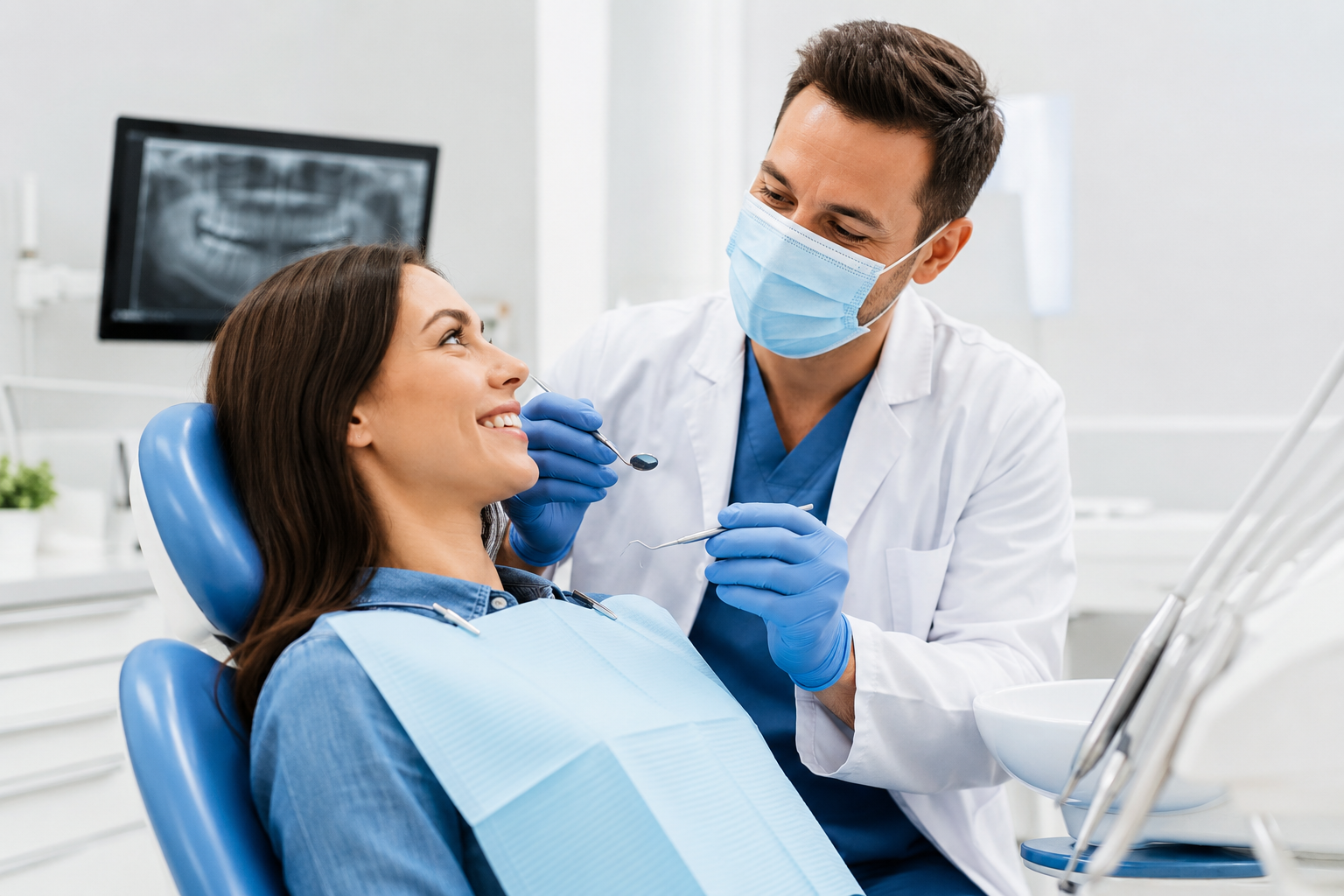
All-on-4 is a full-arch dental implant treatment designed for people who have lost most or all of their teeth in one jaw—or whose remaining teeth cannot be predictably preserved. Four implants are placed in planned areas of the jaw and connected to a single fixed bridge.
In the traditional All-on-4 arrangement, two implants are generally placed toward the front of the jaw, while two posterior implants may be angled to make effective use of available bone. This design can sometimes reduce the need for extensive bone grafting, although it does not eliminate grafting in every case. Published clinical literature describes both the implant arrangement and the potential for an immediate provisional full-arch prosthesis when appropriate conditions are present.
Unlike a removable denture, the bridge is secured to the implants and is not taken out at home. A dental professional removes it when necessary for maintenance or repair. The exact number of implants and type of restoration may differ according to the patient’s anatomy and treatment goals.
Clinical literature on the All-on-4 treatment concept describes its design and use in full-arch rehabilitation.
Why Do Patients Consider All-on-4?
The appeal of All-on-4 goes beyond having a complete-looking smile. Because the replacement arch is anchored to implants, it may feel more stable than a conventional removable denture. Patients often consider treatment when they want to speak, smile, and eat without worrying that a denture may move unexpectedly.
Potential advantages include:
- A fixed replacement for a full upper or lower arch
- Fewer implants than would be needed to replace each tooth individually
- Improved stability compared with a loose removable denture
- A customized tooth shape, shade, and smile design
- The possibility of receiving a temporary fixed bridge on the day of implant placement in selected cases
- A treatment plan designed around the available jawbone
These are potential benefits rather than promises. Clinical reviews have reported high patient satisfaction, but they have also documented prosthetic complications such as acrylic fractures or detached components. Regular maintenance remains important even when treatment is successful.
Patients can review a systematic review of the All-on-4 concept for additional clinical background.
Who May Be a Candidate?
All-on-4 is usually considered for adults who are missing all or nearly all teeth in an arch. It may also be discussed when multiple teeth have severe structural, gum, or bone-related problems and cannot be restored predictably.
A possible candidate should generally have enough healthy bone in suitable areas to stabilize the implants. Overall health, oral hygiene, bite forces, medications, and habits such as tobacco use also influence treatment planning and healing.
Age alone does not determine candidacy. A healthy older adult may be a better candidate than a younger person with uncontrolled health concerns. A dentist must assess the whole person rather than relying on a single factor.
Why an Individual Evaluation Matters
Two people who appear to have similar smiles may need very different care. One patient may have enough bone for implant placement, while another may need grafting or an alternative implant design. Some patients also require treatment for active gum disease or infection before implant surgery.
A complete evaluation may include a discussion of medical history, an examination of the gums and remaining teeth, and three-dimensional imaging. The dental team also considers smile proportions, lip support, speech, bite alignment, and the space available for the new bridge.
Patients should disclose all medications, supplements, tobacco or nicotine use, previous implant problems, and health conditions. This information helps the clinician evaluate risk and coordinate with a physician when appropriate.
What Happens During the All-on-4 Process?
1. Consultation and Planning
The first visit focuses on the patient’s concerns, goals, health history, and current oral condition. Imaging helps the dentist study bone shape and identify important anatomical structures. The team can then explain whether All-on-4, another implant approach, or a removable option best fits the situation.
This is also the right time to discuss comfort options, expected appointments, materials, fees, and maintenance requirements. Patients should receive an individualized plan before deciding how to proceed.
2. Preparing the Mouth
Depending on the case, preparation may involve treating gum inflammation, removing teeth that cannot be saved, or completing other necessary care. Digital records or impressions may be taken to plan the temporary and final restorations.
3. Implant Placement
During surgery, the implants are placed in carefully selected positions. If the implants achieve adequate initial stability and other clinical criteria are met, a temporary fixed bridge may be attached. “Same-day teeth” refers to this provisional restoration—not necessarily the final bridge.
Immediate loading is not appropriate in every case. If stability or bone conditions are not suitable, the dentist may recommend a different healing approach. Choosing the safer plan is more important than meeting a same-day expectation.
4. Healing and Final Restoration
After surgery, the dental team monitors the gums, bite, temporary bridge, and implants. The final restoration is usually planned only after the clinician confirms that healing and implant integration have progressed appropriately.
The final bridge is designed to balance appearance, function, strength, speech, and cleanability. Adjustments may be needed as the patient becomes accustomed to the new teeth.
Understanding the Different Stages of Recovery
“Recovery” does not describe one single event. It helps to separate early symptoms, soft-tissue healing, implant integration, and completion of the final restoration.
Early Symptom Recovery
Swelling, tenderness, bruising, and minor bleeding may occur after implant surgery. These symptoms should generally improve rather than become progressively worse. The dentist will provide instructions about medication, oral hygiene, food choices, and when to call the office.
Soft-Tissue Healing
The gum tissue continues healing after the first postoperative symptoms settle. Keeping the area clean without disturbing it is essential. Follow-up visits allow the team to check the tissue and make adjustments if the temporary bridge is placing unwanted pressure on an area.
Osseointegration
Osseointegration is the biological process through which the jawbone forms a stable connection with the implant surface. This stage takes longer than the initial reduction in soreness or swelling. Feeling comfortable does not mean integration is complete, so patients must continue following dietary and activity instructions.
Final-Restoration Completion
The final bridge is a separate treatment milestone. Its timing depends on healing, implant stability, bite conditions, and the restorative plan. Patients should not assume that receiving temporary teeth means the full course of treatment has ended.
Are There Risks or Limitations?
All dental surgery involves risk. Implant treatment may be affected by infection, delayed healing, inadequate integration, gum or bone changes, medical conditions, tobacco exposure, or excessive bite forces. Prosthetic parts can also wear, loosen, chip, or fracture over time.
All-on-4 does not behave exactly like natural teeth. The bridge may feel different when biting, and patients must learn how to clean underneath it. Some foods may need to be avoided during healing, while certain hard or damaging habits may remain unwise over the long term.
Careful planning, appropriate case selection, good home care, and ongoing professional maintenance can help manage risk, but no dentist can guarantee that an implant or restoration will last for life.
How Much Does All-on-4 Cost in San Antonio?
There is no single fee that applies to every All-on-4 case. Cost depends on whether one or both arches are treated, the need for extractions or grafting, sedation choices, laboratory procedures, restoration materials, imaging, and the complexity of the patient’s anatomy.
When comparing estimates, patients should ask what the quoted price includes. A low initial figure may not include extractions, the temporary bridge, the final restoration, sedation, follow-up care, or future maintenance.
Dental insurance coverage varies. A plan may exclude implant placement while contributing toward another part of treatment. Financing may also be available, subject to approval. A written treatment plan is the most reliable way to understand the expected investment.
How Are All-on-4 Teeth Maintained?
Although the replacement teeth cannot develop cavities, the gums and bone around the implants still require care. Plaque can collect underneath the bridge and around implant components.
A maintenance routine may include:
- Brushing the bridge and gumline as directed
- Using floss threaders, interdental brushes, or other recommended tools beneath the bridge
- Cleaning with a water flosser if advised by the dental team
- Attending implant-maintenance and examination visits
- Wearing a nightguard if clenching or grinding poses a concern
- Avoiding tobacco and habits that can damage the restoration
Patients should report movement, clicking, persistent soreness, swelling, bleeding, a change in bite, or difficulty cleaning. Early evaluation may keep a small maintenance issue from becoming a larger problem.
Frequently Asked Questions
Is All-on-4 the same as dentures?
Both replace a full arch of teeth, but All-on-4 uses implants to support a bridge that remains fixed in the mouth. A conventional denture rests on the gums and is removed by the patient for cleaning.
Can a patient receive teeth on the same day?
Some patients can receive a temporary fixed bridge on the day their implants are placed. This depends on implant stability, bone conditions, bite forces, and other clinical findings. The temporary bridge is not the final restoration, and same-day placement cannot be guaranteed.
Can All-on-4 be completed without bone grafting?
The angled-implant concept may help some patients use available bone and avoid extensive grafting. However, grafting may still be recommended based on bone volume, anatomy, implant stability, or restorative needs.
Does All-on-4 hurt?
The dental team uses appropriate anesthesia during surgery and may discuss additional comfort options. Tenderness and swelling can occur afterward, but the experience varies. Patients should contact the treating clinician if pain is severe, worsening, or accompanied by other concerning symptoms.
How long do All-on-4 implants last?
Implants and bridges can function for many years, but longevity varies. Health, hygiene, tobacco exposure, bite forces, maintenance, implant integration, and restoration wear all influence the outcome. The bridge may eventually require repair or replacement even when the implants remain stable.
How can someone get started in San Antonio?
The first step is a comprehensive implant consultation. Preferred Dental Center offers full-mouth dental implant care in San Antonio, TX. An evaluation can clarify candidacy, alternatives, anticipated treatment stages, and individual costs.
A More Confident Smile Starts With Clear Information
All-on-4 can provide a fixed full-arch solution for appropriately selected patients, but the best results begin with careful diagnosis and realistic expectations. Understanding the difference between a temporary bridge, biological healing, and the final restoration helps patients make a more informed decision.
Anyone considering All-on-4 in San Antonio, TX can contact Preferred Dental Center to ask questions and schedule a personalized consultation. The dental team can explain available options and recommend a plan based on the patient’s health, anatomy, comfort, and goals.
This article is for general educational purposes and does not provide a diagnosis or replace professional dental or medical advice. Implant candidacy, risks, recovery, and treatment recommendations require an individual evaluation by a qualified clinician.

 Onderful Finance