
Missing teeth can affect much more than the appearance of a smile. They may make it harder to enjoy certain foods, speak clearly, or feel comfortable in social situations. Fortunately, today’s dentures offer several ways to rebuild a natural-looking, functional smile.
For people researching dentures in San Antonio, TX, understanding the available options can make the decision feel less overwhelming. Whether someone is missing several teeth or an entire row, a dentist can design a treatment plan around that person’s oral health, comfort, goals, and budget.
This article provides general educational information and is not a substitute for an examination or personalized advice from a licensed dentist. A dental professional should evaluate tooth loss, sore spots, fit problems, or other oral health concerns.
A Patient-Friendly Guide to Dentures in San Antonio
What Are Dentures?
Dentures are removable dental appliances used to replace missing teeth and surrounding gum tissue. They are custom-made to fit the shape of the mouth and help restore the appearance and everyday function of a smile.
Modern dentures are not one-size-fits-all. Their design can vary based on how many teeth are missing, the health of the remaining teeth, the condition of the gums and jaw, and the amount of support available. Color, shape, and tooth arrangement can also be selected to complement the patient’s facial features and smile.
Although dentures may feel unfamiliar at first, thoughtful planning and follow-up adjustments can help patients become more comfortable using them. The goal is not simply to fill an empty space. A well-designed denture should support a person’s ability to smile, speak, and eat with greater confidence.
Types of Dentures to Consider
Choosing a denture begins with identifying which teeth need to be replaced and how the appliance will be supported. Preferred Dental Center provides full and partial dentures in San Antonio, with recommendations based on each patient’s individual needs.
Full Dentures
Full dentures replace all teeth in the upper jaw, lower jaw, or both. The base is made to resemble natural gum tissue, while the replacement teeth are arranged to create a balanced smile and bite.
A conventional full denture is typically made after the mouth is ready for the final appliance. Because the fit depends on the shape of the gums and underlying bone, periodic evaluations remain important even after a patient has adjusted to the denture.
Partial Dentures
Partial dentures may be appropriate when a patient still has several healthy natural teeth. The appliance fills the open spaces and uses the remaining teeth for support. Depending on the design, a partial denture may include discreet clasps or other attachments that help keep it in place.
Replacing gaps can improve appearance and make chewing more balanced. It may also help prevent remaining teeth from shifting into open spaces, although the best way to protect those teeth depends on the patient’s overall oral health.
Immediate Dentures
In some cases, a dentist may plan a temporary or immediate denture so the patient does not have to remain without teeth after extractions. Because the gums and supporting tissues change as they heal, these appliances often require adjustments, relining, or replacement later.
Immediate dentures are not right for everyone. A dentist must review the condition of the teeth, gums, and bone before recommending this approach.
Implant-Supported Options
Some dentures can be supported or stabilized by dental implants placed in the jaw. Depending on the design, the teeth may be removable by the patient or secured in a different manner by the dental team. Implant support may offer greater stability, but it also involves additional planning, procedures, healing, and cost.
Not every patient is automatically a candidate. The dentist must consider oral health, available bone, medical history, hygiene habits, and other individual factors. Preferred Dental Center also provides information about dental implants and full-arch replacement options for patients who want to explore alternatives to traditional removable dentures.
What to Expect During the Denture Process
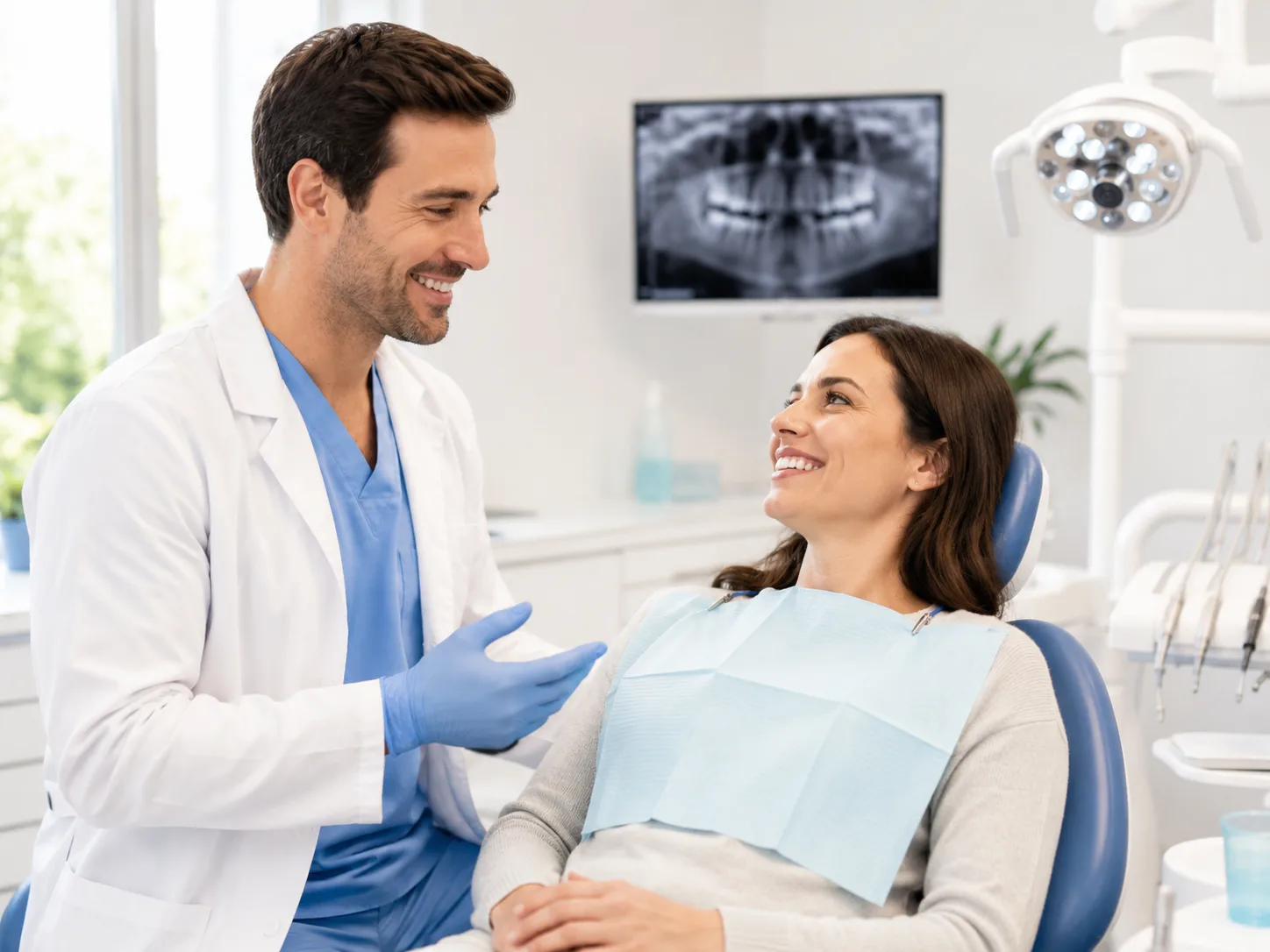
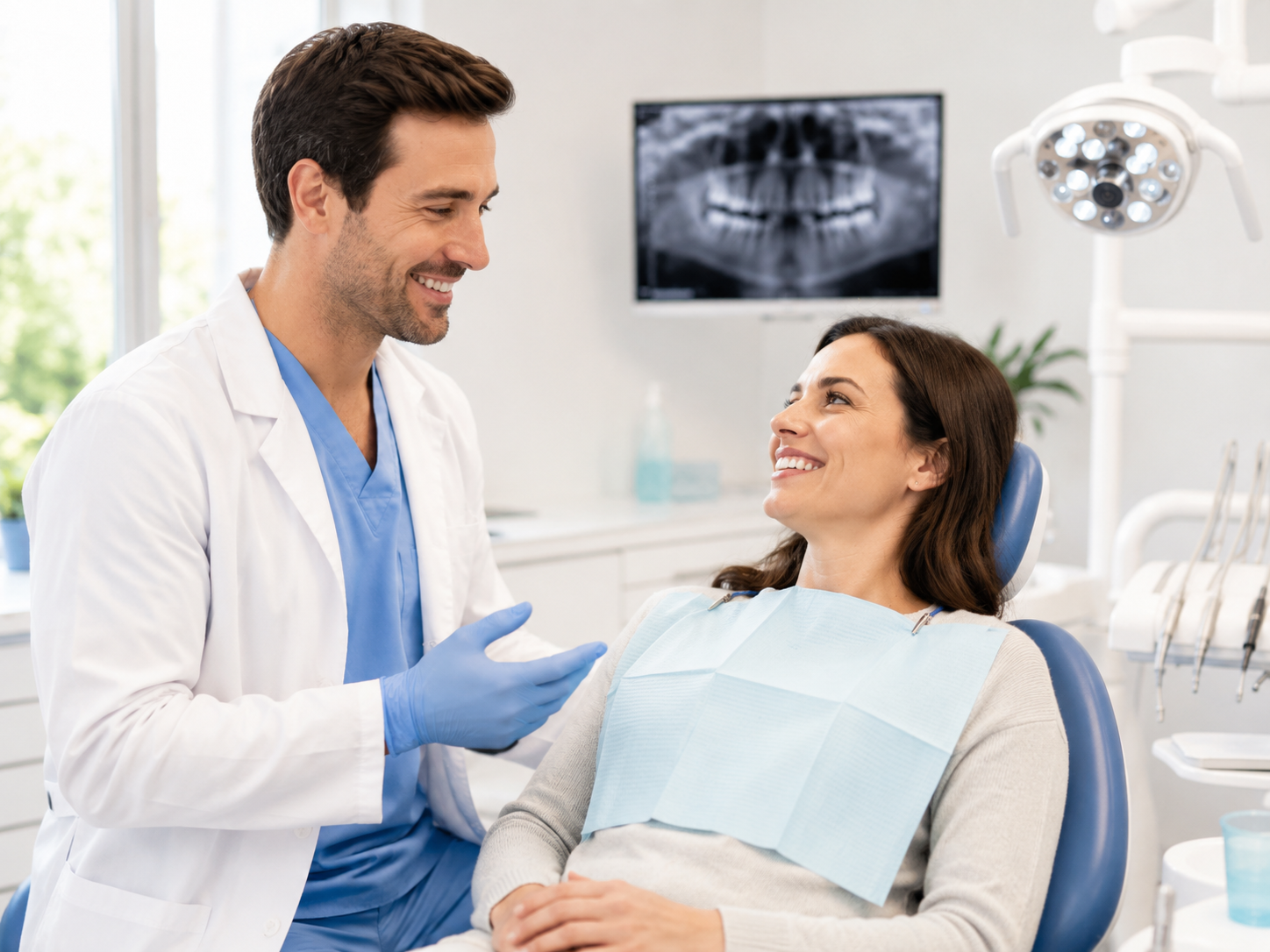
The process starts with a comprehensive consultation. The dentist examines the teeth, gums, bite, and supporting structures and asks about the patient’s concerns. X-rays or other records may be recommended when they are needed to assess oral health and plan treatment.
If damaged or unhealthy teeth remain, the dentist will explain whether they can be restored or should be removed. Existing gum disease, decay, infection, or irritation may also need attention before the final denture is made.
For a custom denture, the dental team records the shape of the mouth and how the upper and lower jaws come together. The patient may also discuss tooth color, size, and overall appearance. Trial fittings can help the dental team assess the bite, smile, and tooth arrangement before completing the appliance.
Delivery is not necessarily the last appointment. Follow-up visits give the dentist an opportunity to check the fit and address pressure points. Patients should not attempt to reshape or repair a denture at home, as small changes can affect the bite or permanently damage the appliance.
Getting Used to New Dentures
A new denture can feel bulky or unusual at first. The lips, cheeks, tongue, and chewing muscles need time to adapt to a different shape in the mouth. Patients may also notice temporary changes in speech or saliva production.
Simple habits can make the transition easier:
- Begin with softer foods cut into manageable pieces.
- Chew slowly and use both sides of the mouth when possible.
- Practice reading aloud to become comfortable speaking with the appliance.
- Follow the dentist’s instructions about when to wear and remove the denture.
- Attend recommended adjustment appointments rather than tolerating ongoing discomfort.
Mild awareness of a new appliance is different from persistent pain. A denture should not repeatedly create sores, sharp pressure, bleeding, or significant difficulty eating. Those concerns deserve a professional evaluation.
How to Clean and Protect Dentures
Dentures require daily care even though they cannot develop cavities in the same way natural teeth do. Food debris and plaque can collect on the appliance and around the gums, tongue, and any remaining teeth.
Patients should clean their dentures with a soft denture brush and a product recommended by their dentist. Regular toothpaste may be too abrasive for some denture materials. Cleaning should take place over a folded towel or basin of water to reduce the chance of breakage if the appliance is dropped.
The mouth also needs care. Gums, the tongue, and the roof of the mouth can be cleaned gently, while remaining natural teeth should continue to receive thorough brushing, interdental cleaning, and preventive dental care.
When dentures are out of the mouth, they should be stored according to the dentist’s directions. Hot water may distort certain materials. Patients should also avoid household glues or do-it-yourself repair kits, which can damage the appliance and may expose the mouth to unsuitable substances.
Why Denture Fit Can Change
A denture that once fit comfortably may become loose over time. The gums and supporting bone can change after tooth loss, and normal wear can alter how the denture contacts the opposing teeth. Changes in weight, health, medications, or oral tissues may also affect comfort.
Possible signs that a denture needs attention include:
- Clicking or movement during conversation
- Food collecting underneath the appliance
- Recurring sore spots or irritation
- Difficulty chewing foods that were previously manageable
- Cracks, worn teeth, or a damaged base
- Changes in facial support or the way the bite feels
A dentist may recommend an adjustment, repair, reline, or replacement depending on the cause. Denture adhesive can sometimes add confidence when used as directed, but it should not be used to hide a poor fit or an unresolved oral health problem.
How Much Do Dentures Cost in San Antonio?
Denture costs vary because treatment is customized. A partial denture, conventional full denture, immediate appliance, and implant-supported restoration involve different materials and procedures.
Factors that may affect the total cost include:
- The number and location of missing teeth
- The type of denture and materials selected
- Whether extractions or other preliminary care are needed
- The complexity of the bite and appliance design
- Repairs, relines, or temporary appliances
- Whether dental implants are included
- Dental insurance benefits and plan limitations
A consultation provides a more useful estimate than a general advertised price because it reflects the patient’s actual needs. Before moving forward, patients can ask for a written treatment plan showing the recommended procedures, expected fees, insurance estimates, and available payment options.
Questions to Ask at a Denture Consultation
An informed patient can participate more confidently in treatment decisions. Helpful questions include:
- Is a full denture, partial denture, or implant-supported option most appropriate?
- Can any of the remaining teeth be preserved?
- Will preliminary dental treatment be necessary?
- How will the denture’s appearance and bite be planned?
- What follow-up care and adjustments are included?
- How should the appliance be cleaned and stored?
- What should the patient do if the denture feels loose or creates a sore spot?
The right plan should account for comfort, oral health, appearance, daily function, maintenance, and cost—not simply how quickly an appliance can be made.
Frequently Asked Questions About Dentures
Will dentures look natural?
Custom dentures can be designed to complement a patient’s facial features, gum color, and smile. Tooth shade, shape, size, and arrangement all influence the final appearance. Patients should discuss their preferences openly during planning and trial appointments.
Can a person eat normally with dentures?
Dentures can improve chewing after tooth loss, but they do not feel exactly like natural teeth. New wearers generally benefit from starting with easier-to-chew foods and gradually adding more variety as comfort and control improve. Very hard, sticky, or difficult-to-bite foods may require caution.
Should dentures hurt?
New dentures may create temporary areas of pressure while the mouth adjusts, but persistent pain, sores, or bleeding should not be ignored. The dentist can identify the source and determine whether the appliance needs adjustment.
How long do dentures last?
There is no single replacement schedule that applies to every patient. The useful life of a denture depends on material wear, fit, oral changes, care habits, and accidental damage. Regular examinations help determine whether an appliance remains safe, comfortable, and functional.
Are dental visits still necessary without natural teeth?
Yes. Dental visits allow the clinician to examine the gums and other oral tissues, evaluate the fit and condition of the denture, and look for concerns that may not be painful or visible to the patient. Anyone with remaining natural teeth also needs ongoing preventive care.
Can a broken denture be fixed at home?
Home repairs are not recommended. Household adhesive can contaminate the appliance, irritate oral tissues, or make professional repair more difficult. A dental office should evaluate cracks, broken teeth, bent clasps, and other damage.
Explore Denture Options With a San Antonio Dentist
Tooth loss does not have to prevent someone from smiling, speaking, or sharing meals with confidence. Full dentures, partial dentures, and implant-supported options each offer different benefits, and the most appropriate choice depends on the health and priorities of the individual patient.
Preferred Dental Center offers personalized dental care for patients in San Antonio, TX. Anyone considering dentures—or experiencing looseness, discomfort, or damage to an existing appliance—can contact Preferred Dental Center to request a consultation, ask questions, and learn which next steps may fit their needs.


 Onderful Finance