
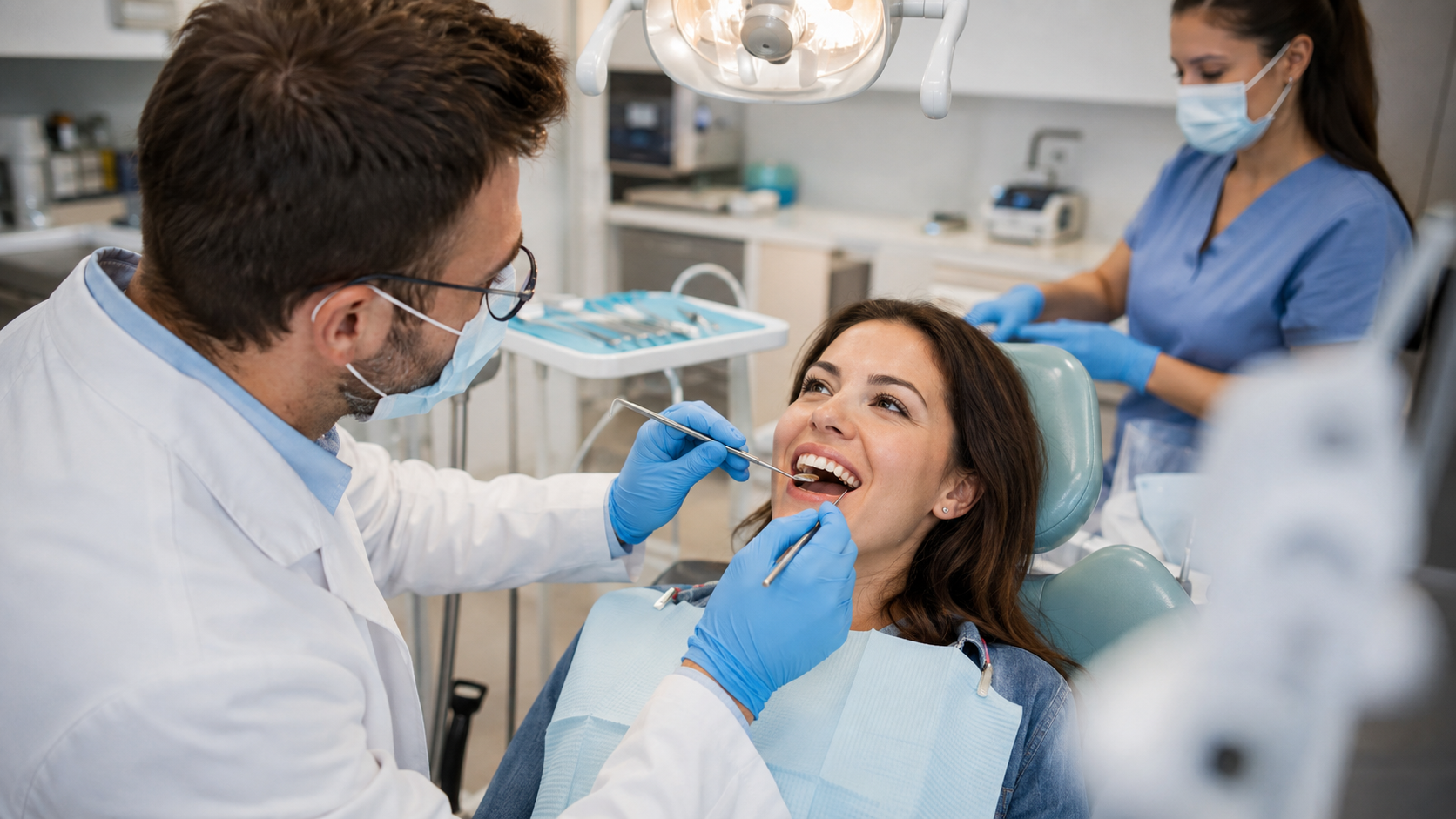
Regular dental checkups may not always feel urgent, especially when nothing hurts. Many people wait until a toothache, chipped tooth, bleeding gums, or sensitivity makes it hard to ignore their oral health. But preventive dental care works best before problems become painful or expensive.
For patients in San Antonio, TX, routine dental visits can support a healthier smile, more comfortable chewing, fresher breath, and greater confidence. Checkups also give a dental team the chance to spot small concerns early, explain what is happening in simple terms, and recommend care that fits the patient’s needs.
Important note: This article is for general education only and does not diagnose dental conditions or replace professional advice. Anyone with pain, swelling, bleeding, broken teeth, or concerns about their oral health should consult a licensed dentist for a personalized evaluation.
Why Regular Dental Checkups Matter
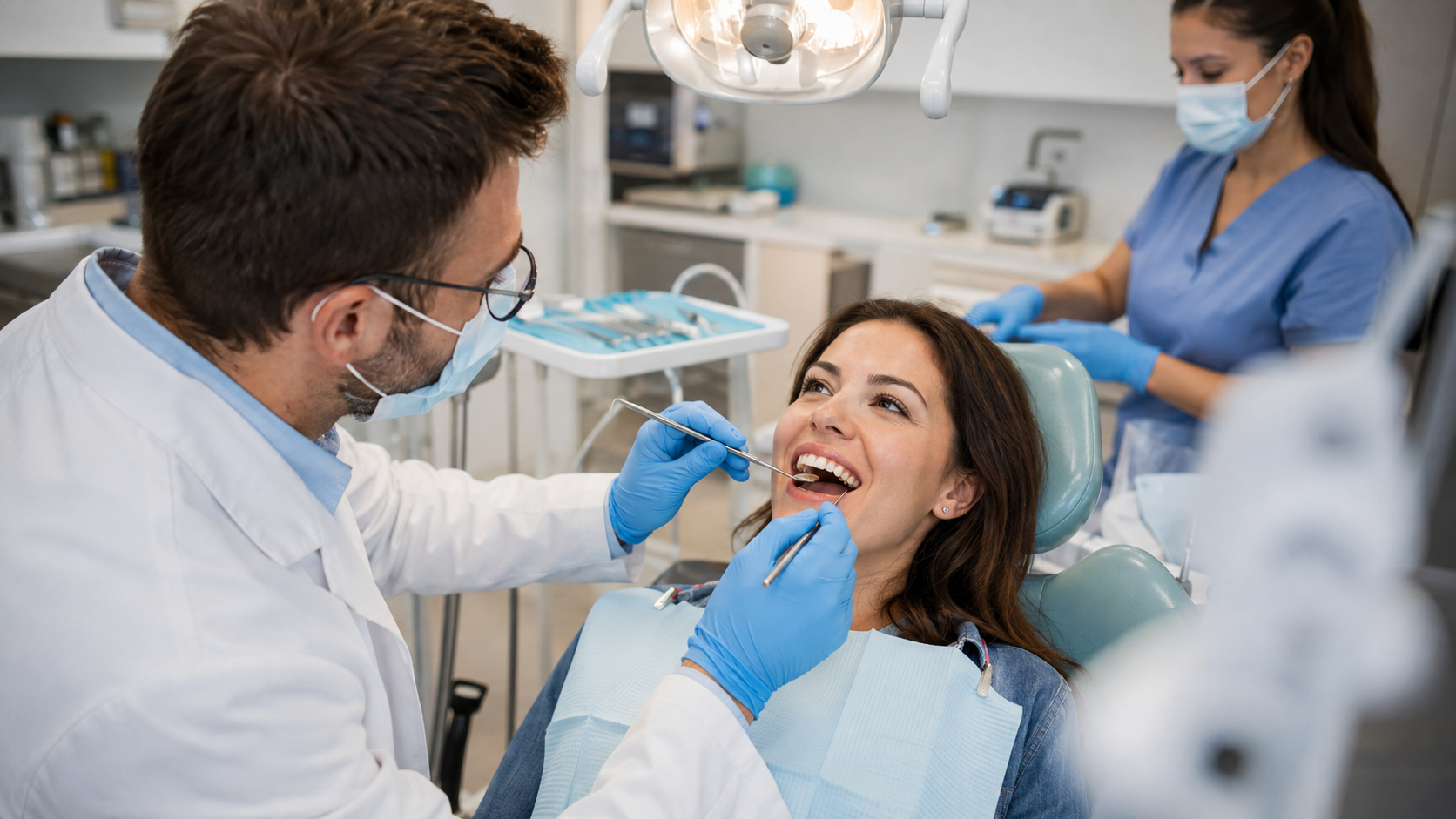
A dental checkup is much more than “just a cleaning.” It is a preventive visit designed to help protect the teeth, gums, bite, and overall oral health. During a routine appointment, a dental professional may examine the mouth, check for signs of cavities or gum disease, clean away plaque and tartar, review X-rays when needed, and talk with the patient about home care habits.
The biggest advantage is timing. Many dental problems start quietly. A small cavity may not hurt at first. Early gum inflammation may only cause mild bleeding when brushing. A cracked filling may be easy to miss until food starts getting trapped or the tooth becomes sensitive.
Routine visits help identify these issues while they are still manageable. That can mean simpler treatment, less discomfort, and a better chance of preserving natural teeth over time.
Top Benefits of Regular Dental Checkups in San Antonio, TX
1. Early Detection of Cavities
Cavities often begin as tiny weakened areas in the enamel. In the earliest stages, they may cause no pain at all. By the time a patient feels a toothache, the decay may have reached deeper layers of the tooth.
At a regular checkup, the dentist can look for early signs of decay and may use dental X-rays to see between teeth or under existing dental work. Catching cavities early can help patients avoid more complex dental problems later.
This matters for busy San Antonio families, professionals, students, and retirees alike. When dental problems are found early, appointments may be easier to plan, treatment may be more conservative, and patients can often avoid the stress of a sudden dental emergency.
2. Healthier Gums and Better Protection Against Gum Disease
Gum health is one of the most important reasons to schedule regular dental checkups. Plaque is a sticky film of bacteria that collects along the gumline. If it is not removed well, it can harden into tartar. Once tartar forms, brushing and flossing at home cannot remove it completely.
Over time, tartar buildup can irritate the gums and contribute to gingivitis, the earliest stage of gum disease. Signs may include red, swollen, tender, or bleeding gums. Without care, gum disease can progress and affect the bone and tissues that support the teeth.
Professional cleanings help remove plaque and tartar from areas that are hard to reach. The dental team can also measure gum pockets, check for inflammation, and guide patients on better brushing and flossing techniques.
3. Fresher Breath and a Cleaner Feeling Smile
Bad breath can be frustrating and embarrassing. Sometimes it comes from foods, dry mouth, smoking, or medical factors. But in many cases, it is linked to bacteria, plaque buildup, gum inflammation, or trapped food particles.
A professional cleaning can leave the mouth feeling noticeably fresher. Dental hygienists remove buildup from the teeth and around the gums, then polish the teeth to create a smooth, clean surface. Patients often leave feeling like their smile has had a reset.
For anyone who regularly uses mints or mouthwash to cover up bad breath, a dental checkup can help determine whether an oral health issue may be contributing to the problem.
4. Brighter Teeth by Removing Surface Stains
San Antonio patients who enjoy coffee, tea, red wine, dark sauces, or colorful foods may notice surface stains over time. Tobacco use can also darken the teeth. While a routine cleaning is not the same as professional teeth whitening, it can remove some external stains and make the smile look cleaner and brighter.
During a checkup, the dental team can also talk about safe cosmetic options if a patient wants a whiter smile. This is helpful because not every type of discoloration responds the same way to whitening products. A dentist can explain what may work best based on the patient’s teeth, fillings, crowns, sensitivity, and goals.
5. A Chance to Check Existing Dental Work
Fillings, crowns, bridges, dentures, implants, and other dental restorations need ongoing care. Even well-made dental work can experience normal wear over time. Edges can loosen, bite pressure can change, and small cracks may develop.
Regular checkups allow a dentist to examine existing restorations and make sure they are still functioning properly. This can help prevent small repair needs from becoming larger concerns.
For example, a slightly chipped filling may be easier to address early than a tooth that breaks because the damaged area went unnoticed. Routine monitoring helps patients get more life from their dental work and protect the teeth around it.
6. Oral Cancer Screening and Soft Tissue Checks
Routine dental visits often include an exam of the lips, cheeks, tongue, throat, gums, and other soft tissues. The dentist may look for unusual sores, lumps, color changes, or areas that do not appear normal.
Most changes in the mouth are not cancer, but any sore or patch that does not heal should be evaluated. Early detection is important for many health conditions, and dental checkups provide an additional opportunity to notice changes that patients may not see at home.
Patients should tell the dentist about any mouth sore, hoarseness, numbness, difficulty swallowing, or persistent irritation, especially if it lasts more than two weeks.
7. Personalized Home Care Advice
Most people brush their teeth every day, but small technique changes can make a big difference. A dental checkup gives patients practical feedback that is specific to their mouth.
The dental team may notice plaque building up behind the lower front teeth, inflammation around back molars, or wear patterns from clenching. Based on what they see, they can recommend helpful adjustments, such as using a soft-bristled toothbrush, changing flossing technique, adding an interdental brush, using fluoride toothpaste, or discussing a nightguard if grinding is suspected.
This advice can be especially helpful for parents teaching children to brush, adults with crowded teeth, patients with braces or aligners, and anyone with dental restorations that require extra attention.
8. Support for Whole-Body Wellness
The mouth is connected to the rest of the body. Oral health can influence comfort, nutrition, speech, confidence, and daily quality of life. Gum inflammation, tooth infections, and difficulty chewing can make it harder for patients to feel their best.
Regular dental care also supports patients with medical conditions that may affect the mouth, such as diabetes, dry mouth, acid reflux, or certain autoimmune conditions. Some medications can reduce saliva flow, increasing the risk of cavities and gum irritation.
A dentist does not replace a physician, but dental visits can be an important part of a patient’s overall health routine. Patients should share medication changes, medical history updates, and new symptoms with their dental team.
9. Fewer Dental Emergencies
No one wants to deal with sudden tooth pain during a workday, school week, family event, or holiday. While not every emergency can be prevented, regular checkups can reduce the risk of surprises.
During an exam, a dentist may spot weakened enamel, cracked teeth, worn fillings, gum infection, or impacted food traps before they become urgent. Patients can then discuss treatment options and timing instead of waiting for pain to make the decision for them.
Preventive visits provide peace of mind. They help patients stay informed rather than guessing what might be happening in their mouth.
10. Potential Long-Term Cost Savings
One of the most practical benefits of regular dental checkups is the potential to save money over time. Preventive care and early treatment are often simpler than emergency or advanced treatment.
For example, addressing a small cavity may be less involved than treating a tooth that has developed a severe infection. Monitoring gum health early may help reduce the risk of more extensive periodontal care later. Keeping restorations in good condition may help avoid more costly repairs.
Costs vary based on a patient’s needs, insurance coverage, and treatment plan. The best way to understand personal options is to schedule an exam and talk openly with the dental team about priorities, budget, and timing.
What Happens During a Routine Dental Checkup?
A typical dental checkup is designed to be comfortable, informative, and thorough. While each visit may vary, patients can usually expect several common steps.
Review of Health History
The dental team may ask about medical conditions, medications, allergies, pregnancy, past dental experiences, and current concerns. This helps the dentist provide safer, more personalized care.
Dental Exam
The dentist checks the teeth, gums, bite, jaw, and soft tissues. They may look for decay, gum disease, worn enamel, loose teeth, damaged fillings, oral lesions, and other concerns.
Digital X-Rays When Needed
X-rays may help the dentist see areas that are not visible during a visual exam, such as between teeth, under the gums, or around roots. Not every patient needs X-rays at every visit; frequency depends on age, history, symptoms, and risk factors.
Professional Cleaning
A hygienist removes plaque and tartar, polishes the teeth, and may provide flossing or home care tips. Patients with gum disease may need a different type of cleaning or periodontal therapy, depending on the diagnosis.
Discussion and Next Steps
Before the visit ends, the dental team explains findings and answers questions. If treatment is recommended, patients should feel comfortable asking about options, expected visits, comfort measures, cost estimates, and timing.
How Often Should Patients Schedule Dental Checkups?
Many patients benefit from dental checkups about every six months, but the right schedule is personal. Some people may need more frequent visits due to gum disease, heavy tartar buildup, dry mouth, frequent cavities, orthodontic treatment, tobacco use, or certain medical conditions.
Others with excellent oral health may still need regular preventive care, but their dentist can recommend the most appropriate timing. The goal is not a one-size-fits-all schedule. The goal is consistent care that matches the patient’s risk factors and keeps the mouth healthy.
Why San Antonio Patients Should Not Wait for Pain
Tooth pain is a warning sign, but it is not the only sign that something needs attention. Dental disease can progress quietly for months or even years. Waiting for pain may allow a small issue to become larger, more uncomfortable, and more expensive to treat.
Regular checkups help patients stay ahead of problems. They also create a relationship with a dental office before an urgent need arises. That familiarity can make future visits less stressful, especially for patients who feel nervous about dental care.
At a neighborhood dental practice, the focus should be on comfort, clear communication, and respectful care. Patients deserve to understand what is happening and why a recommendation is being made.
Tips for Getting the Most Out of a Dental Checkup
Patients can make routine visits even more useful by coming prepared. A few simple steps can help the dental team provide better guidance.
- Mention any symptoms: Sensitivity, bleeding gums, jaw pain, dry mouth, bad breath, or headaches may be related to oral health.
- Share medication updates: Some prescriptions and supplements can affect saliva, healing, or bleeding risk.
- Ask questions: Patients should ask about anything they do not understand, from X-rays to treatment options.
- Be honest about habits: Brushing, flossing, smoking, vaping, diet, and clenching all matter. A dental team is there to help, not judge.
- Discuss comfort concerns: Modern dentistry offers many ways to make visits easier, from gentle techniques to breaks during treatment.
FAQ: Regular Dental Checkups in San Antonio, TX
Are dental checkups necessary if the teeth feel fine?
Yes, they are still important. Many cavities, gum problems, and cracked fillings do not cause pain right away. A regular checkup helps identify concerns early, when care may be simpler.
Do professional cleanings hurt?
Most routine cleanings are comfortable. Patients with sensitive teeth, gum inflammation, or heavy tartar buildup may feel some tenderness. Letting the hygienist know about sensitivity can help them adjust the visit and improve comfort.
How long does a dental checkup usually take?
The length of a visit depends on the patient’s needs, whether X-rays are taken, and the type of cleaning required. Many routine checkups and cleanings take about an hour, but new patient visits or more complex concerns may take longer.
Can a dentist tell if gums are unhealthy?
Yes. Dentists and hygienists check for signs such as bleeding, swelling, gum recession, tartar buildup, and deeper gum pockets. These findings help them determine whether a patient needs routine preventive care or periodontal treatment.
What should patients do if they are nervous about dental visits?
Patients should tell the dental team. Dental anxiety is common, and a caring office can explain each step, take breaks, use gentle techniques, and discuss comfort options. Open communication can make the appointment feel much more manageable.
Are dental X-rays safe?
Dental X-rays use low levels of radiation, and modern digital imaging can further reduce exposure. Dentists recommend X-rays based on a patient’s health history, symptoms, and risk factors. Patients can always ask why an X-ray is recommended.
How can patients maintain results between checkups?
Daily brushing with fluoride toothpaste, flossing or cleaning between teeth, drinking water, limiting frequent sugary snacks, and avoiding tobacco can all support a healthier mouth between appointments.
A Healthier Smile Starts With Preventive Care
The benefits of regular dental checkups in San Antonio, TX go far beyond clean teeth. These visits help protect against cavities, gum disease, bad breath, dental emergencies, and unnecessary stress. They also give patients a trusted place to ask questions and understand their oral health.
For anyone who is due for a checkup, noticing symptoms, or simply unsure where to start, the next step is a conversation with a dental professional. Preferred Dental Center welcomes patients to ask questions, discuss concerns, and take a comfortable, preventive approach to long-term smile health.


 Onderful Finance