
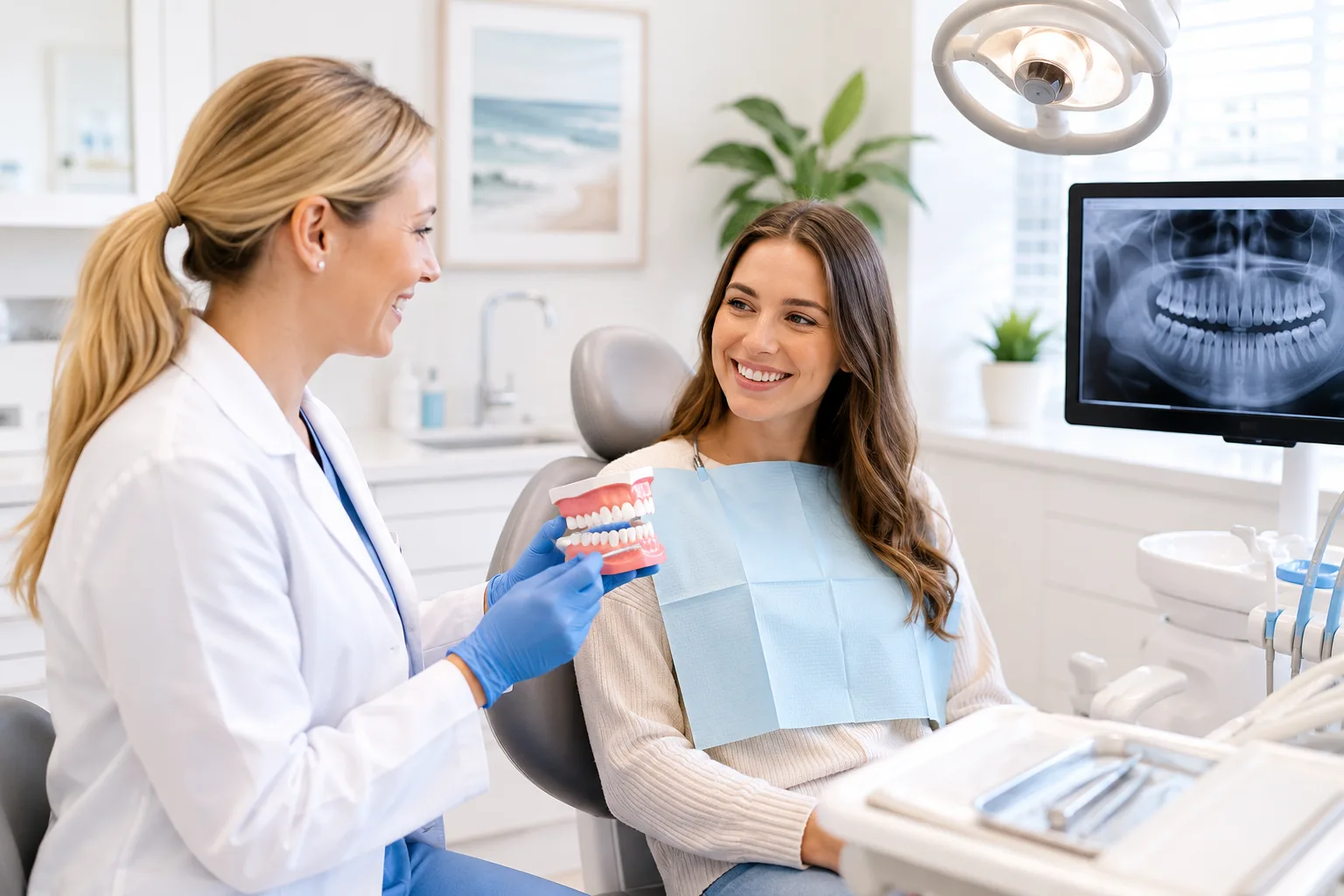
A straighter smile can make brushing easier, improve confidence, and help a person feel more comfortable in everyday photos and conversations. However, many patients hesitate to pursue orthodontic care because they do not want traditional metal braces.
Clear aligners offer another option. These removable, nearly transparent trays gradually guide teeth toward planned positions. They can fit discreetly into work, school, and social routines, but successful treatment still requires professional planning and consistent patient participation.
For anyone researching clear aligners in San Antonio, TX, understanding the process is an important first step. This guide explains what aligners do, what treatment may involve, and which questions patients should ask before getting started.
This article provides general education and is not a diagnosis or personalized treatment recommendation. A dentist should evaluate the teeth, gums, bite, and dental history to determine whether clear aligners are appropriate.
What Are Clear Aligners?
Clear aligners are custom-made trays designed to fit closely over the teeth. A patient progresses through a planned series of aligners, with each tray applying controlled pressure to support gradual tooth movement.
Unlike braces, aligners do not rely on permanently attached brackets and wires. Patients can remove them for meals and oral hygiene. Their transparent appearance also makes them less noticeable during normal conversation.
Clear aligners are not simply cosmetic mouthguards. They are part of a professionally planned orthodontic treatment. Digital records, dental examinations, progress checks, and patient compliance all play a role in the outcome.
What Dental Concerns Can Clear Aligners Address?
Depending on the individual case, a dentist may consider clear aligners for concerns such as:
- Crowded or overlapping teeth
- Small spaces or gaps between teeth
- Teeth that appear rotated or uneven
- Teeth that have shifted after previous orthodontic treatment
- Certain bite alignment concerns
The type and extent of movement matter. Some smiles are well suited to aligners, while others may benefit from braces, additional dental procedures, or a combined approach. An in-person evaluation helps the dentist determine what is realistic and clinically appropriate.
Benefits Patients Often Consider
A discreet appearance
The trays are made from clear material and fit closely around the teeth. Although they are not completely invisible, they are usually less noticeable than metal brackets and wires. This can appeal to adults, teens, and professionals who prefer a subtle treatment option.
Removable trays
Patients generally remove aligners when eating and when brushing or flossing. This means there are fewer food-related limitations than with fixed braces. It also allows normal access to the tooth surfaces during daily oral hygiene.
Removability comes with responsibility, however. Aligners only work as planned when patients follow their dentist’s instructions and wear each tray according to the prescribed schedule.
A treatment plan designed around the patient’s smile
Clear aligner treatment begins with records of the teeth and bite. The dentist uses this information to plan the intended tooth movements and explain the proposed treatment. Because every smile is different, the number of aligners, appointment schedule, and overall treatment length can vary considerably.
Fewer visible orthodontic components
Some patients prefer not to have brackets and wires attached to their teeth. Aligners provide a smoother, removable design, although small tooth-colored attachments may sometimes be recommended to help the trays guide particular movements.
What to Expect During Clear Aligner Treatment
1. Consultation and oral health evaluation
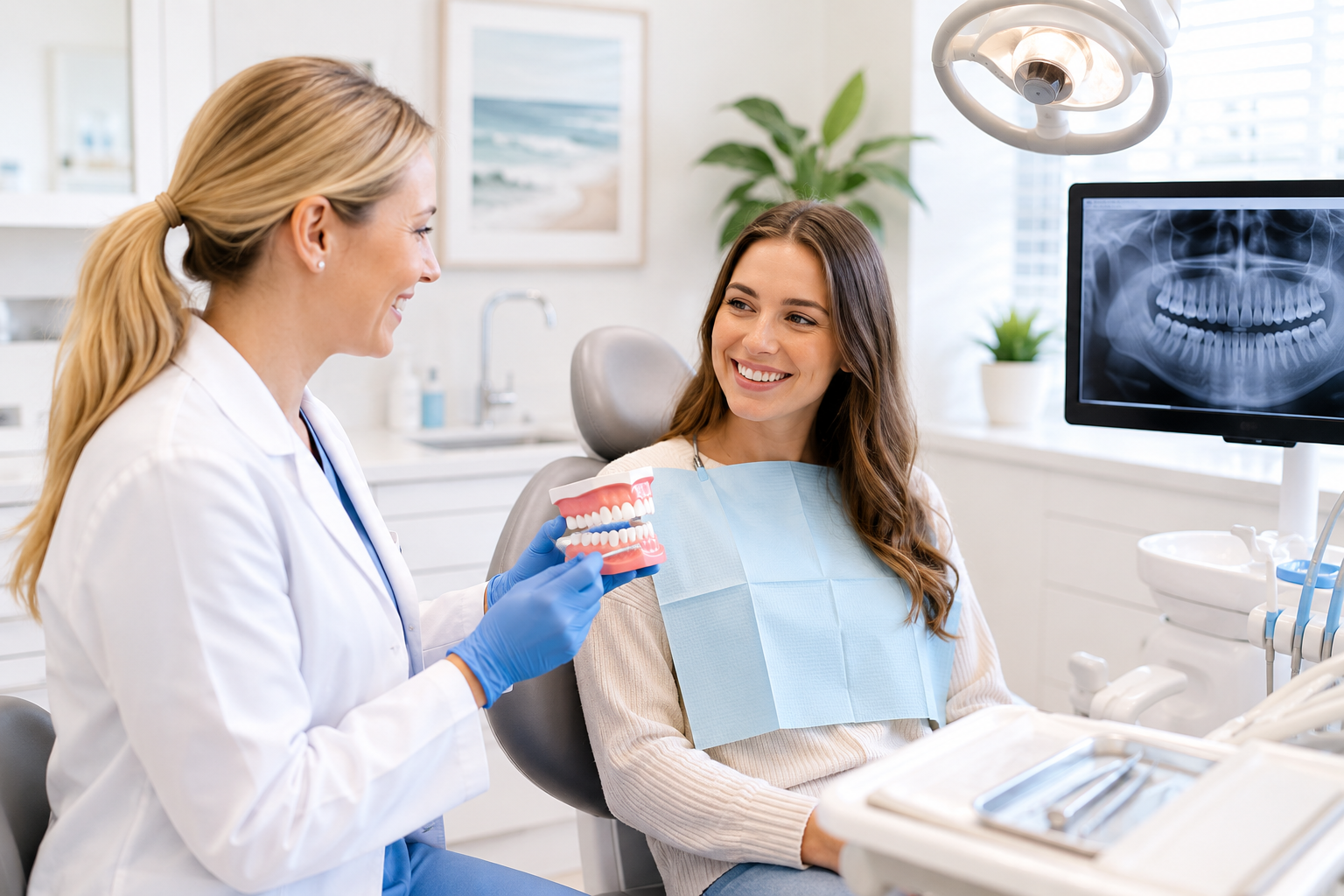
The process begins with a dental examination. The dentist reviews the patient’s goals, checks the alignment and bite, and evaluates the health of the teeth and gums. Existing concerns may need attention before orthodontic treatment begins.
This visit is also a good opportunity for patients to discuss previous dental work, jaw discomfort, gum concerns, missing teeth, or past orthodontic treatment.
2. Digital records and treatment planning
If aligners appear suitable, the dental team collects detailed records. These may include digital scans, photographs, and dental images when clinically needed. The information helps create a customized plan rather than relying on a one-size-fits-all tray.
The dentist can then discuss the proposed approach, expected responsibilities, limitations, fees, and possible alternatives. Patients should feel comfortable asking what is included before agreeing to treatment.
3. Receiving and wearing the aligners
Once the trays are ready, the dental team checks their fit and explains how to insert, remove, clean, and store them. Each aligner is worn for the interval directed by the dentist before the patient moves to the next tray.
The trays may feel snug when first inserted. Patients should contact the office if they experience significant pain, sharp edges, persistent irritation, or an aligner that does not fit as instructed.
4. Progress appointments
Clear aligner treatment still requires professional monitoring. At follow-up visits, the dentist checks whether the teeth are responding as planned and whether the trays fit properly. The plan may be adjusted if progress differs from the digital projection.
Skipping appointments or moving through trays without guidance can interfere with treatment. Patients should follow the schedule provided by their dental team.
5. Retention after active treatment
Teeth can shift after orthodontic movement. A retainer is commonly recommended to help maintain the final alignment. The dentist will explain which retainer is appropriate and how it should be worn and cared for.
Retention is a separate phase from active tooth movement. Following the prescribed retainer routine helps protect the time and effort invested in treatment.
Daily Life With Clear Aligners
Eating and drinking
Patients should follow their dentist’s directions about removing aligners for food and beverages. Before reinserting the trays, it is helpful to clean the teeth so food particles and sugars are not held against the enamel.
A protective case makes it easier to avoid wrapping aligners in a napkin or leaving them on a restaurant table. Those common habits can lead to lost or damaged trays.
Brushing, flossing, and tray care
Consistent oral hygiene remains essential during treatment. Patients should brush and floss as directed, clean their aligners using the recommended method, and avoid products that could scratch or distort the trays.
Aligners should not replace routine preventive visits. Professional examinations and cleanings allow the dental team to monitor the teeth and gums while orthodontic treatment is underway.
Speaking and social situations
Some patients notice a temporary change in speech when they begin wearing aligners. Reading aloud or practicing normal conversation may help them become accustomed to the trays. Any change that persists or causes concern should be discussed with the dentist.
Who May Not Be an Ideal Candidate?
Clear aligners are versatile, but they are not the right solution for every patient. A different approach may be recommended when the needed tooth movement is especially complex, oral health concerns require treatment first, or the patient is unlikely to wear removable trays consistently.
Dental restorations, missing teeth, gum health, and jaw relationships may also affect planning. These factors do not automatically rule out aligners, but they require individual evaluation.
Patients should be cautious about any option that promises results without a comprehensive dental examination or ongoing professional supervision. Tooth movement affects more than appearance, so the health of the complete smile should remain the priority.
How Much Do Clear Aligners Cost in San Antonio?
The cost of clear aligners in San Antonio can vary because treatment is customized. Factors may include the complexity of the case, the amount of movement planned, treatment duration, required records, follow-up care, and whether additional aligners or retainers are included.
Insurance benefits also differ. Some dental plans provide orthodontic coverage, while others exclude it or limit eligibility. Patients can ask the dental office to review available benefits and explain financing or payment options.
Before comparing estimates, it is helpful to ask for a written explanation of what each fee includes. A lower initial quote may not include retainers, progress records, refinements, or replacement trays. Clear information makes it easier to compare treatment plans fairly.
Questions to Ask at a Clear Aligner Consultation
- Are clear aligners appropriate for this specific bite and alignment concern?
- What results are realistic, and what are the limitations?
- Will attachments or other procedures be needed?
- How will progress be monitored?
- What happens if a tray is lost, damaged, or stops fitting?
- Does the quoted fee include records, additional aligners, and retainers?
- What other treatment options should be considered?
- How should the aligners and teeth be cleaned?
A trustworthy consultation should leave the patient feeling informed rather than pressured. The dentist should explain both the benefits and the responsibilities associated with treatment.
Frequently Asked Questions
Are clear aligners completely invisible?
No. They are transparent and often discreet, but they may still be visible at close range. Tooth-colored attachments may also be needed in some treatment plans.
Can a patient eat while wearing clear aligners?
Patients should follow the instructions provided by their dentist. Aligners are generally removed for meals, and the teeth should be cleaned before the trays are reinserted.
Do clear aligners hurt?
Patients may notice pressure or tenderness as the teeth respond to a new tray. Severe pain, ongoing irritation, or a poorly fitting aligner should be evaluated by the dental office rather than ignored.
What happens if an aligner is lost?
The patient should contact the treating dental office promptly. The dentist may recommend returning to a previous tray, moving forward, or ordering a replacement depending on the treatment stage. Patients should not make that decision without guidance.
Can clear aligners fix every orthodontic concern?
No. Their suitability depends on the type of movement required, the bite, oral health, and patient cooperation. A clinical examination is necessary to compare aligners with other options.
Will a retainer be needed afterward?
Retention is commonly part of orthodontic care because teeth may shift after treatment. The dentist will recommend a retainer plan based on the patient’s needs.
Explore Clear Aligners in San Antonio, TX
Clear aligners can provide a discreet and convenient path toward a straighter smile, but the best results begin with careful planning and realistic expectations. The right treatment depends on far more than appearance; it should account for the teeth, gums, bite, dental history, and daily habits.
Preferred Dental Center provides dental care for children and adults in San Antonio, TX, and offers clear aligner options. The practice also provides information about ClearCorrect clear aligners.
Patients who are curious about aligners are encouraged to schedule a consultation with Preferred Dental Center in San Antonio, TX. A personalized evaluation can clarify candidacy, treatment choices, expected responsibilities, and costs before any decision is made.


 Onderful Finance